



1Museo del Medioevo
Museo del Medioevo
2Plateau des Glières
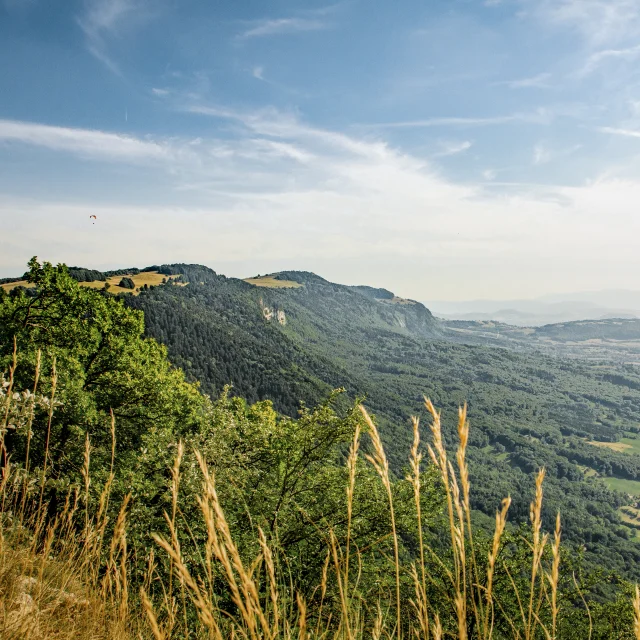
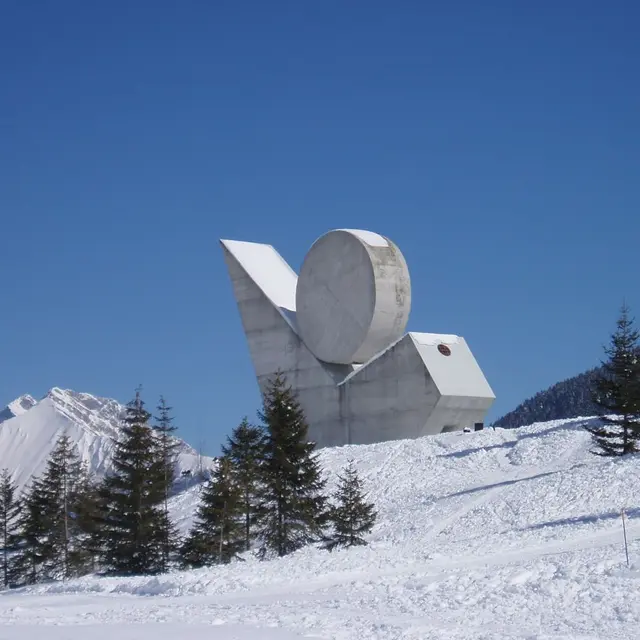
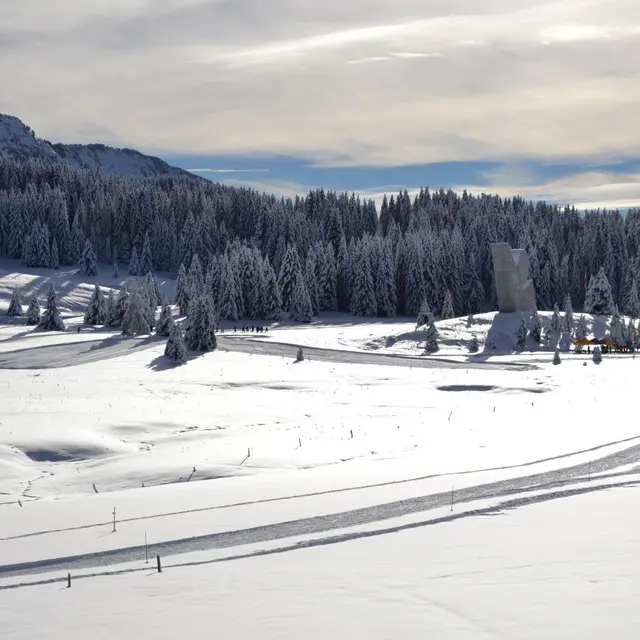
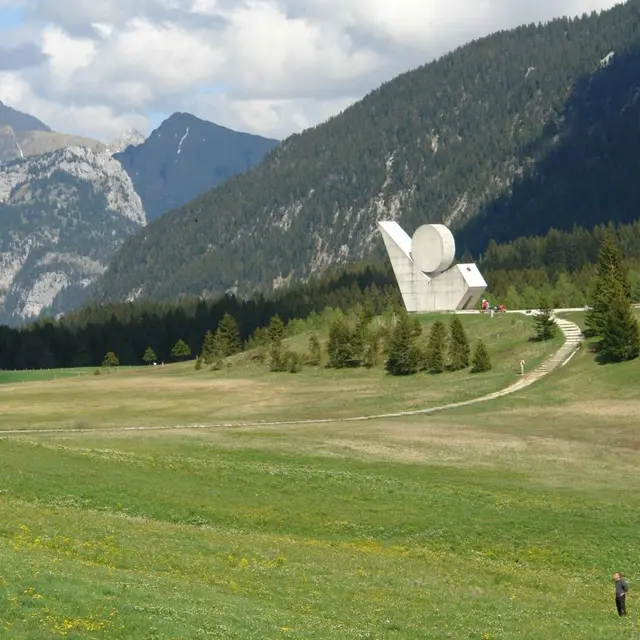
In an unspoiled and protected space at 1450m of altitude, at the very heart of the Haute Savoie, you will discover the Plateau des Glieres.
An historic and symbolic place ( World War II) about Resistance but also a land of outdoors activities in summer and winter.<br/>The Plateau des Glieres is a must see in Haute Savoie : it have a symbolic history because of the Resistance, and this is a place of memory. Cultural tours are available throughout the year.
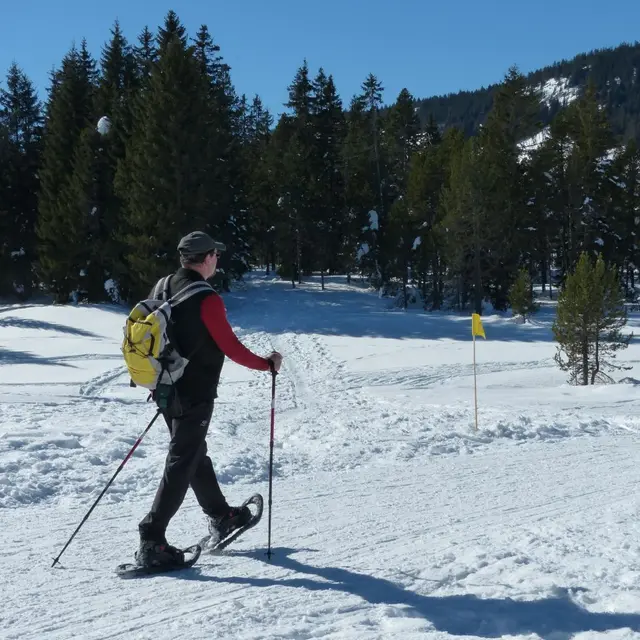
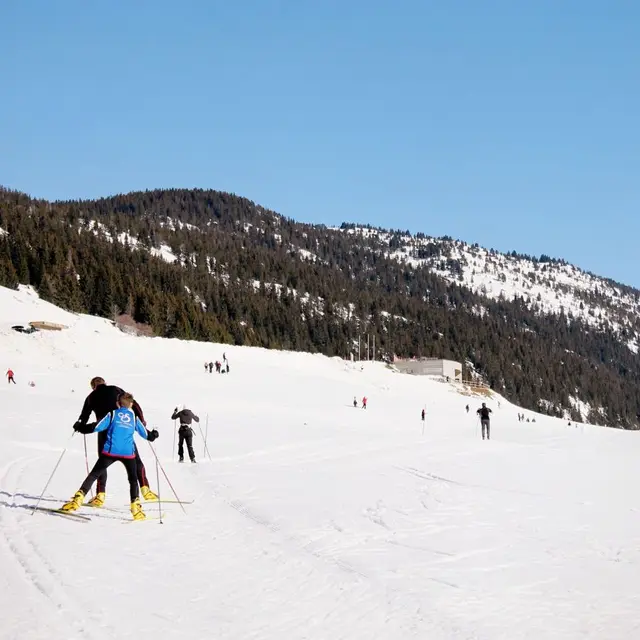
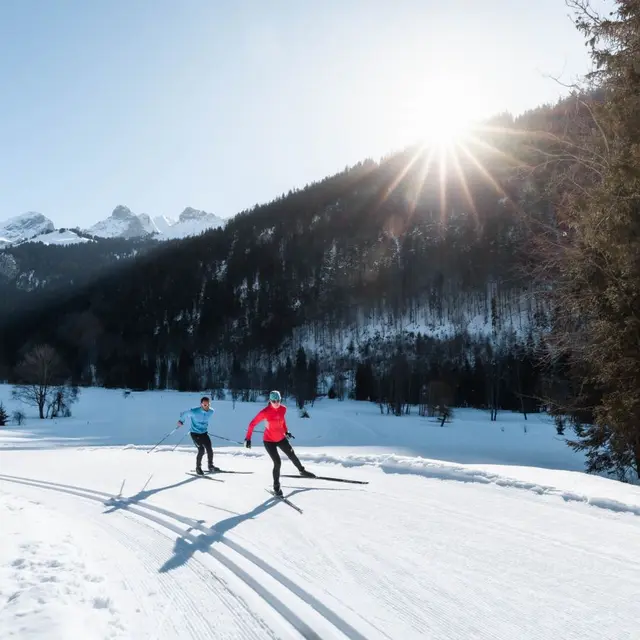
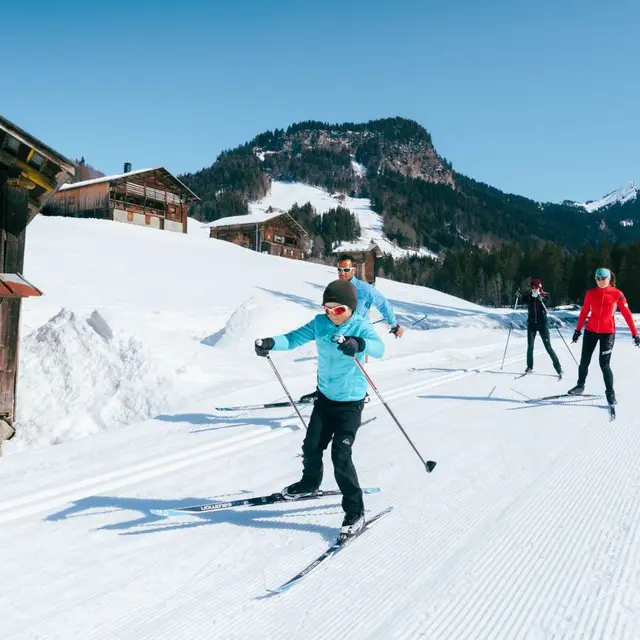
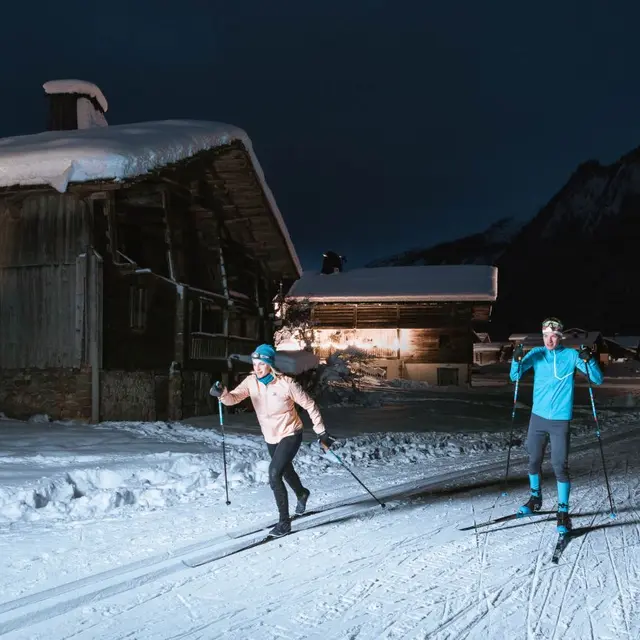
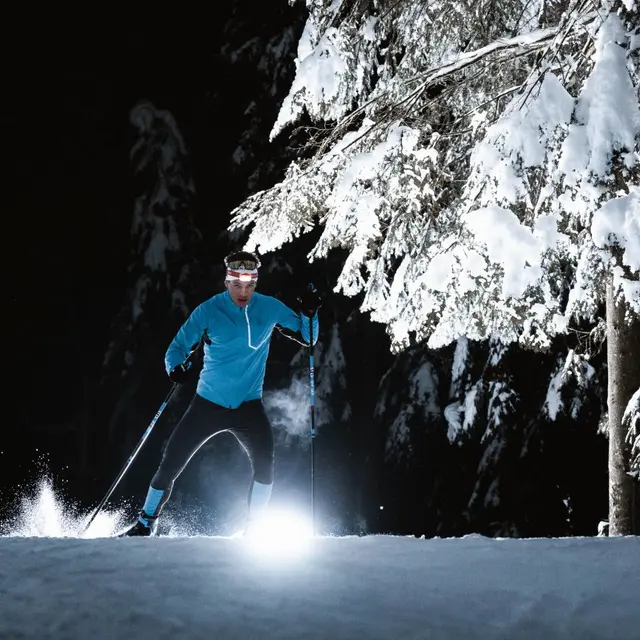
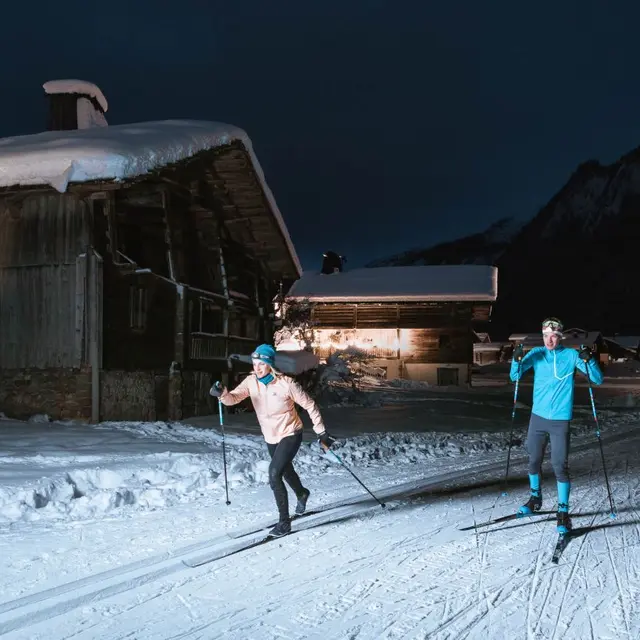
During winter, the Plateau des Glieres is the nordic site of Haute Savoie with 29 kilometers of cross country sky trail for all level as well as 17 kilometers of walking and snowshoeing trails. The perfect place to relax, enjoy snow and contemplate.
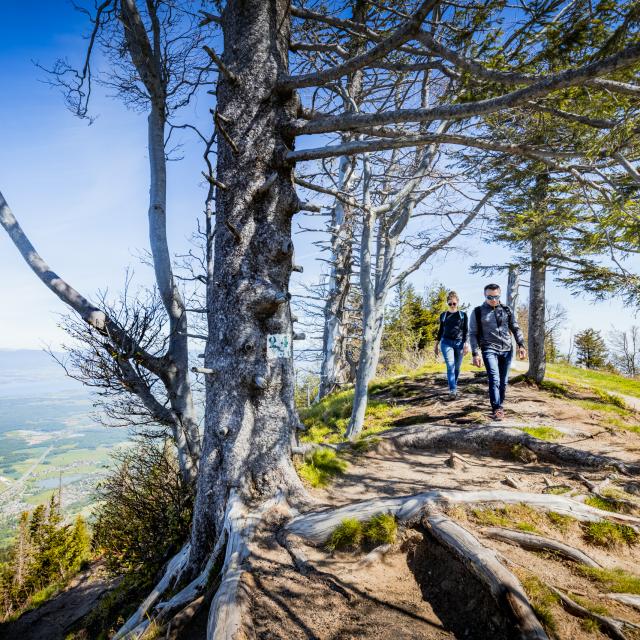
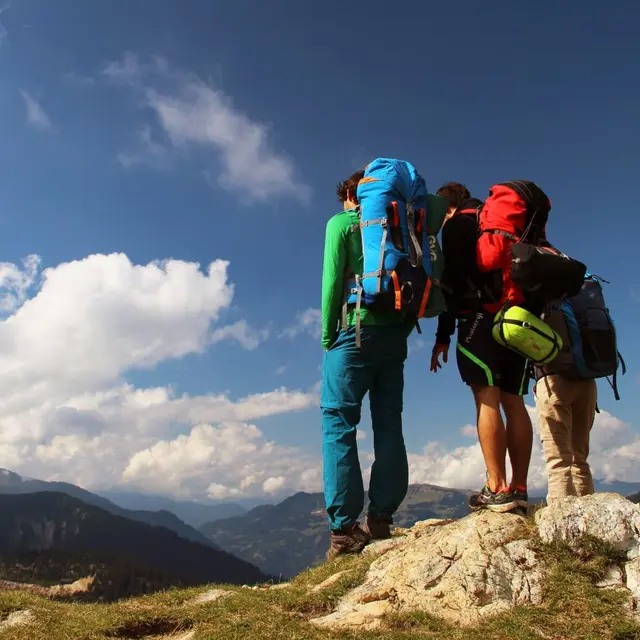
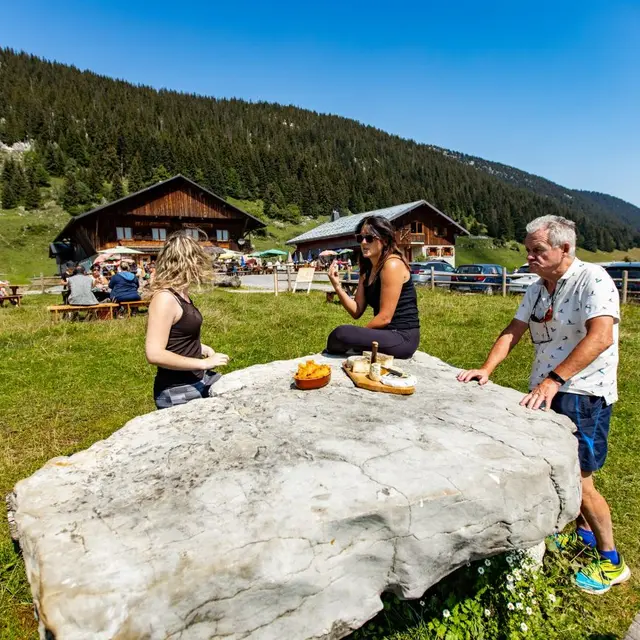
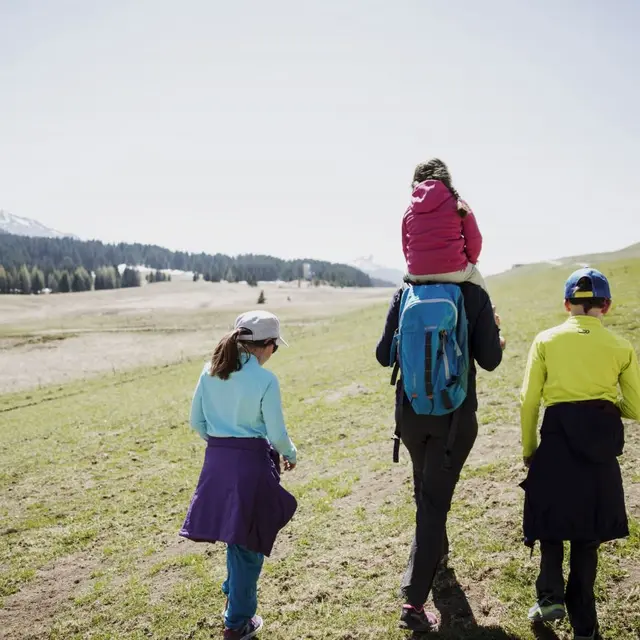
During summer, the Plateau des Glieres provides 8 hiking trails for all levels where you will appreciate a wide open and natural prairie and meet local people. If you want you will have the opportunity to buy local food (cheese) directly at the farm.
You want to discover a traditional meal ? Try the Batter-fried potatoes! You will find them in the different restaurant on the Plateau. There are also beds and breakfast and mountain shelters to welcome you.
3Le Grand-Bornand
Le Grand-Bornand





4Le col de la Colombière (Colombière pass)
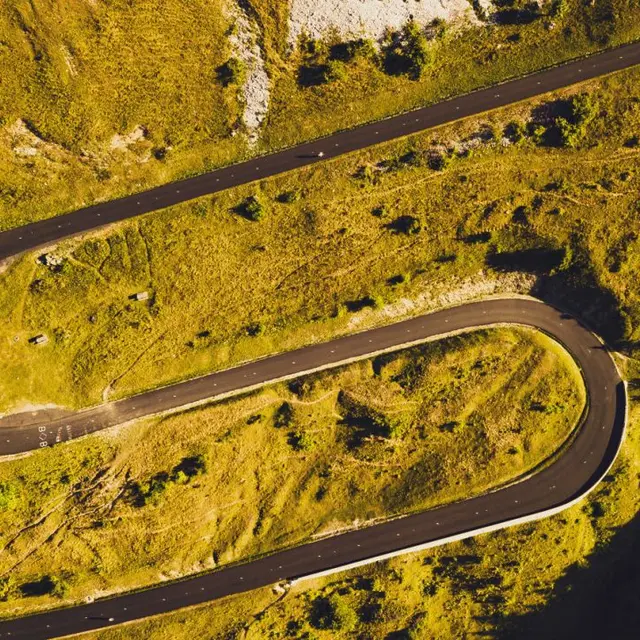
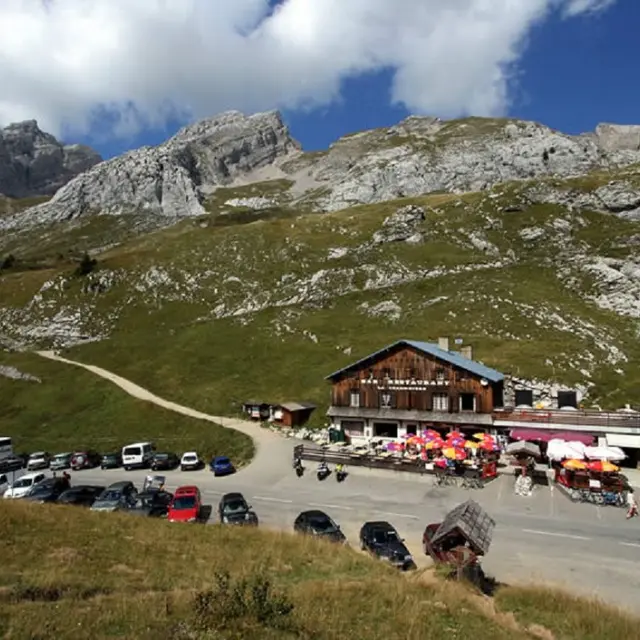
Located at 1618 m altitude, open from June to October, it connects Le Grand-Bornand in the Arve valley. Starting point for hikes, it is also a classic cycle route used many times by the Tour de France.<br/>It is part of the Route des Grandes Alpes you must pause there for the panoramic view and maybe a glimpse of the ibex.

5Carthusian monastery of Le Reposoir - Carmel
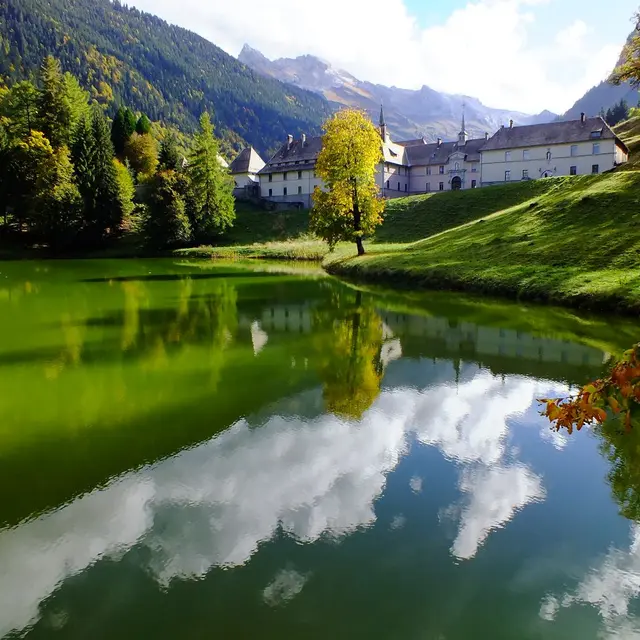
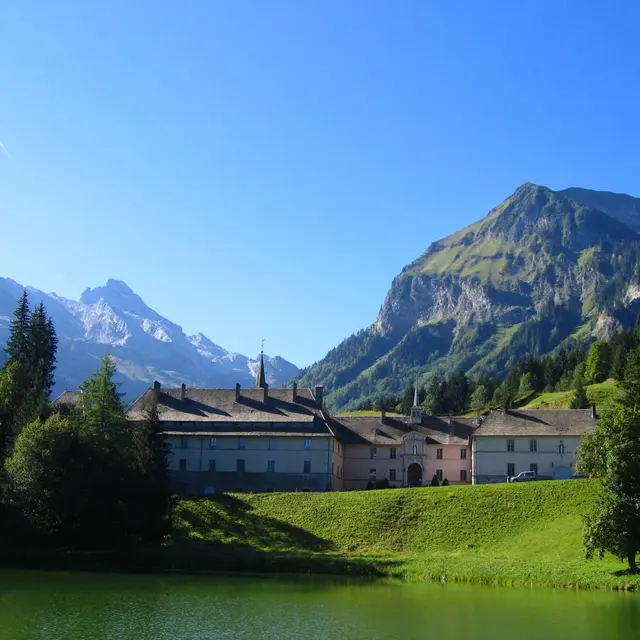
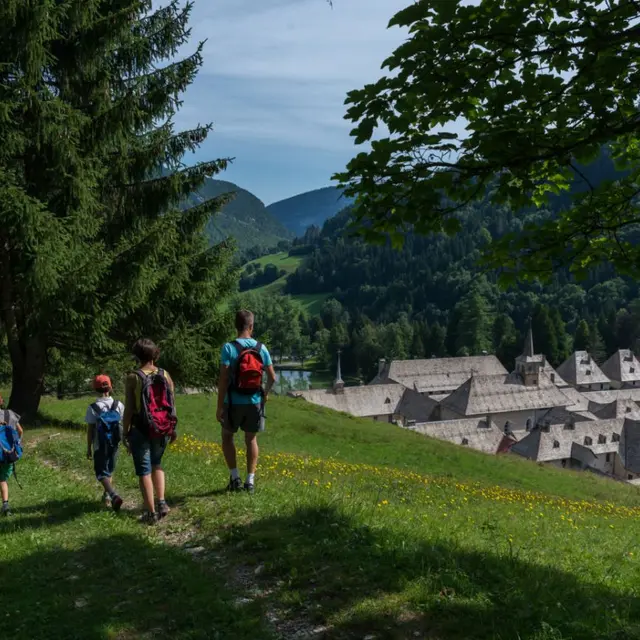
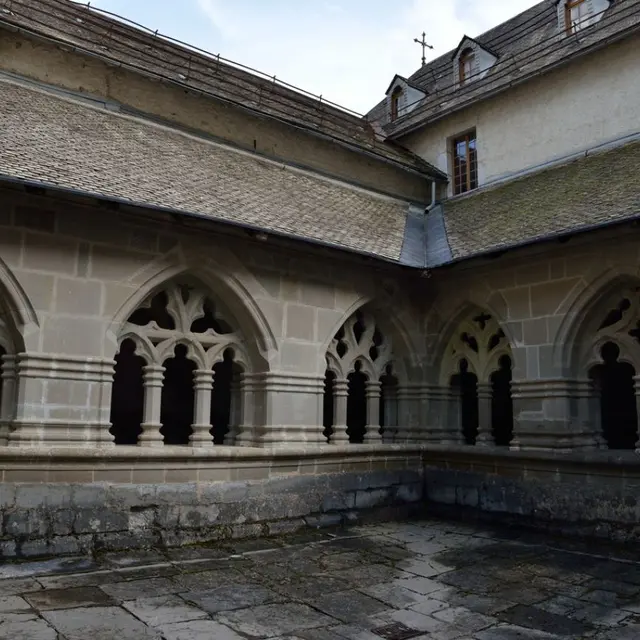
The old Carthusian monastery, now Carmel, is classified as a Historic Monument. In the shadow of Pointe Percée (2752m), it was founded in 1151 by Carthusian monks.<br/>The buildings, refurbished in 1686 and 1717, contain the old cells of the monks, the large and the small cloister in Flamboyant Gothic style (open for visits only during the European Heritage Days), the harmonious chapel (1480-1530) and the common rooms. After having cleared the soils for centuries and organized pastoral and agricultural life, the Carthusians left the place in 1901, leaving the place since 1932 to Carmelites.
Inside, the nuns broadcast a commented slide show about their way of life. A model of the buildings is also displayed.
Contact our heritage guide Anne-France Binder for a guided tour of the monument.
Do not hesitate to take a look at the chapel of John from Spain the Blessed to learn more about the origins of the building.