



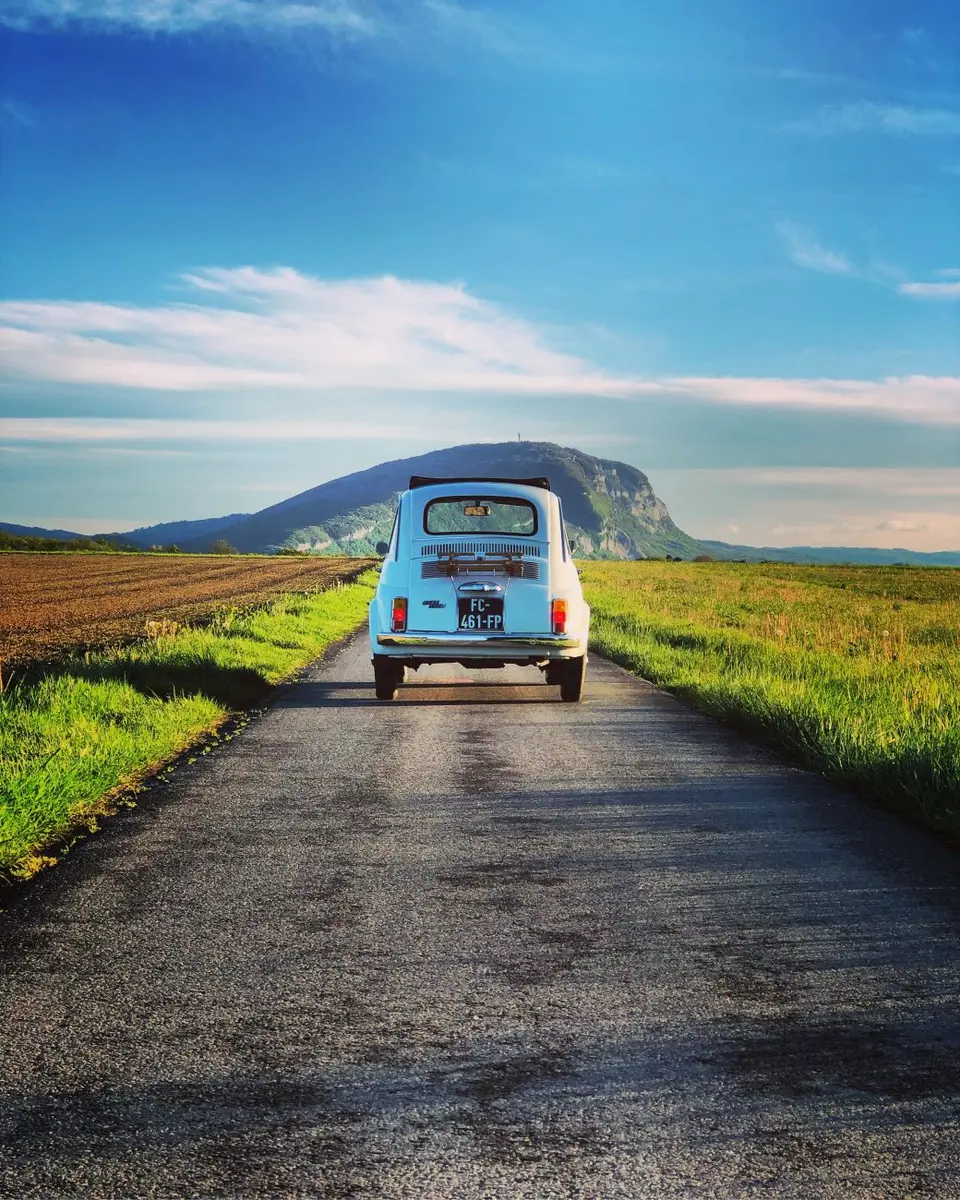
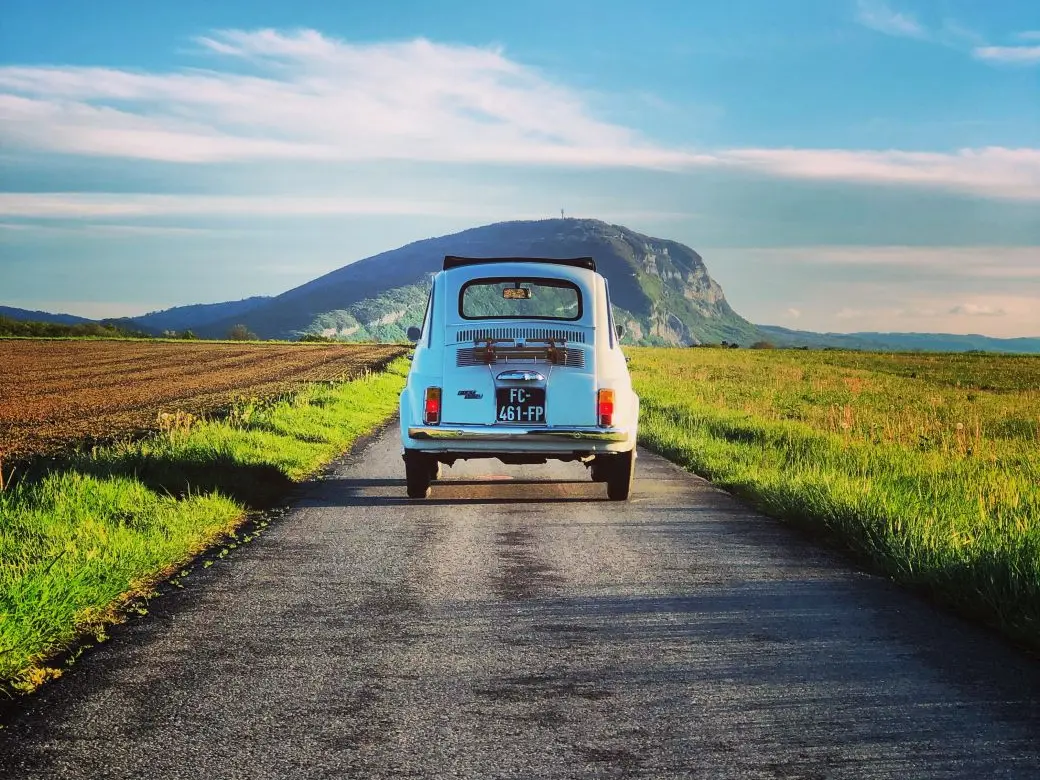
1Middle Age Museum of Entremont
Middle Age Museum of Entremont
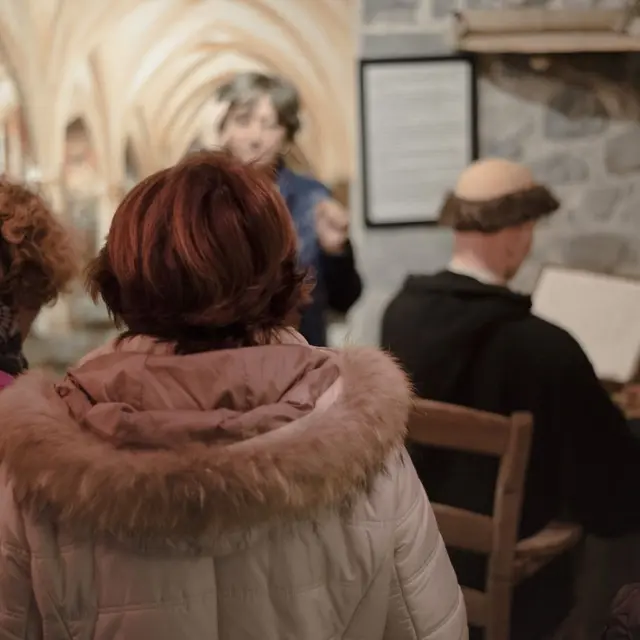
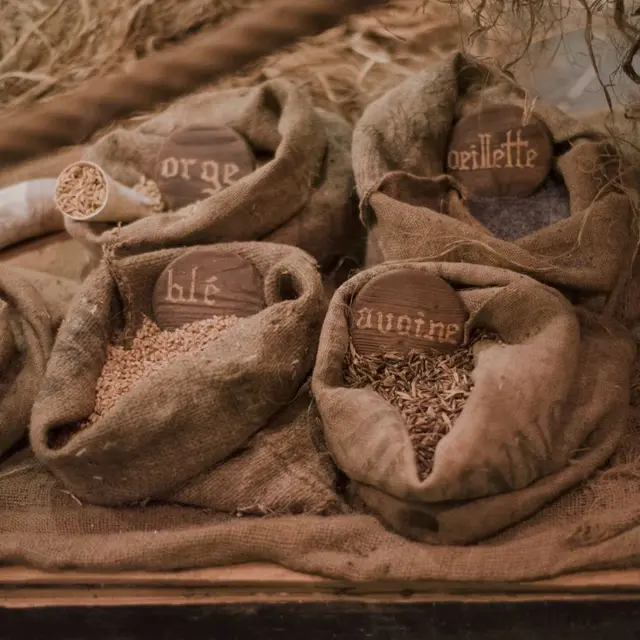
2Plateau des Glières
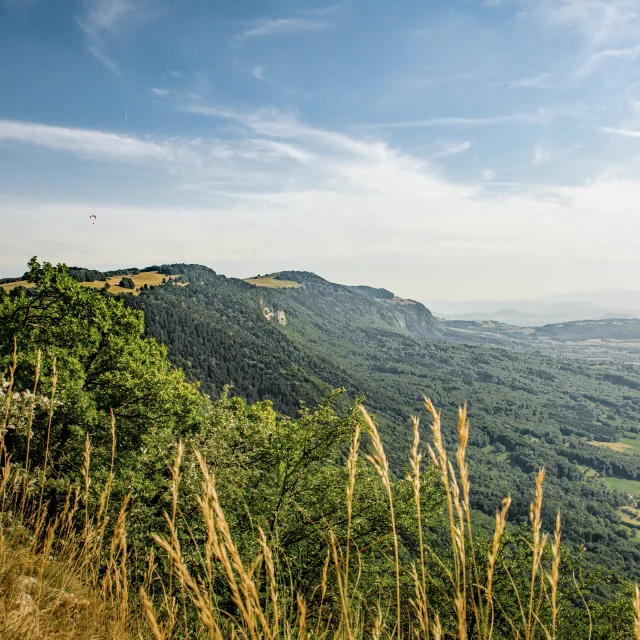
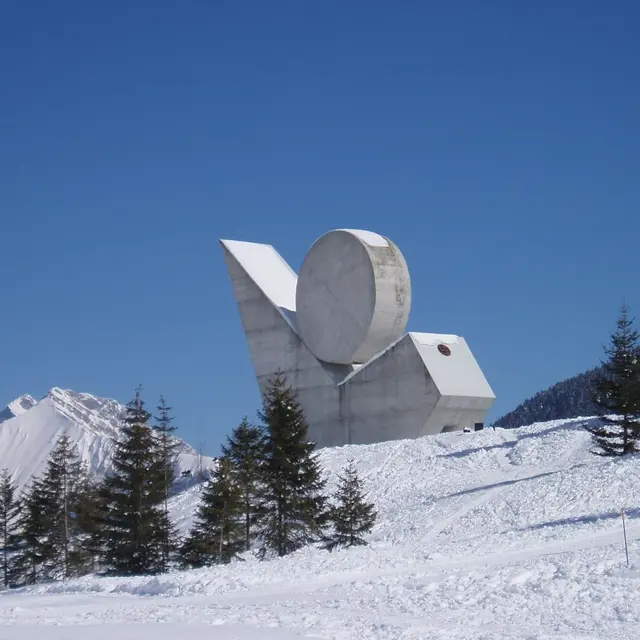
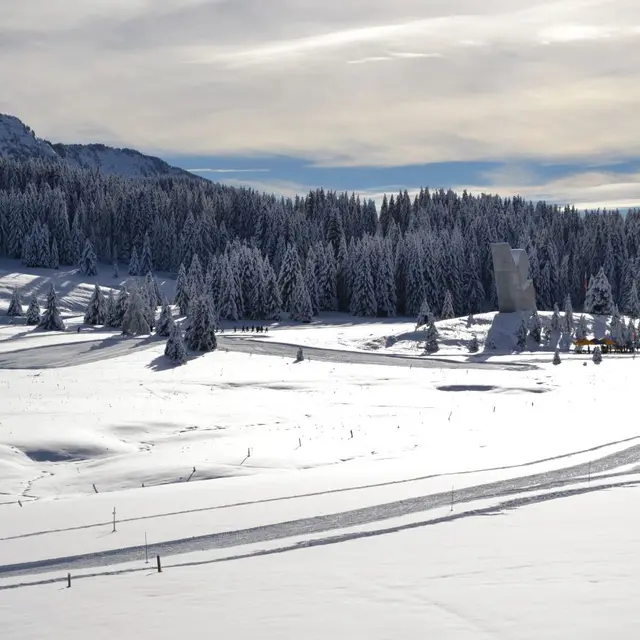
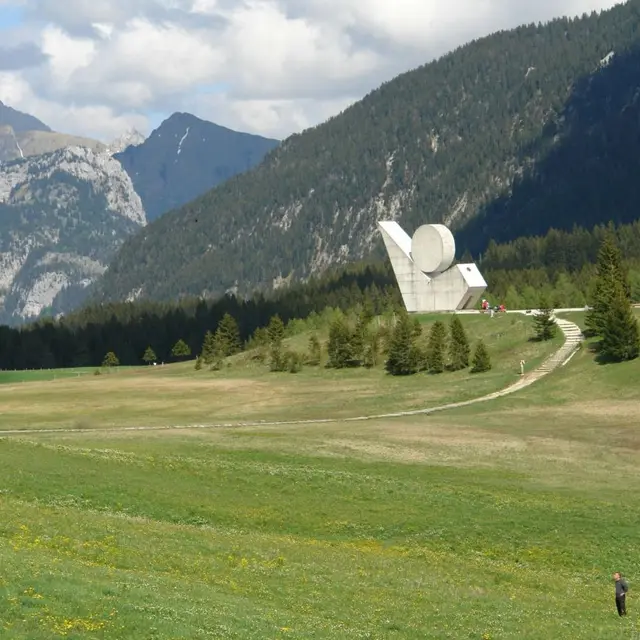
In an unspoiled and protected space at 1450m of altitude, at the very heart of the Haute Savoie, you will discover the Plateau des Glieres.
An historic and symbolic place ( World War II) about Resistance but also a land of outdoors activities in summer and winter.
The Plateau des Glieres is a must see in Haute Savoie : it have a symbolic history because of the Resistance, and this is a place of memory. Cultural tours are available throughout the year.
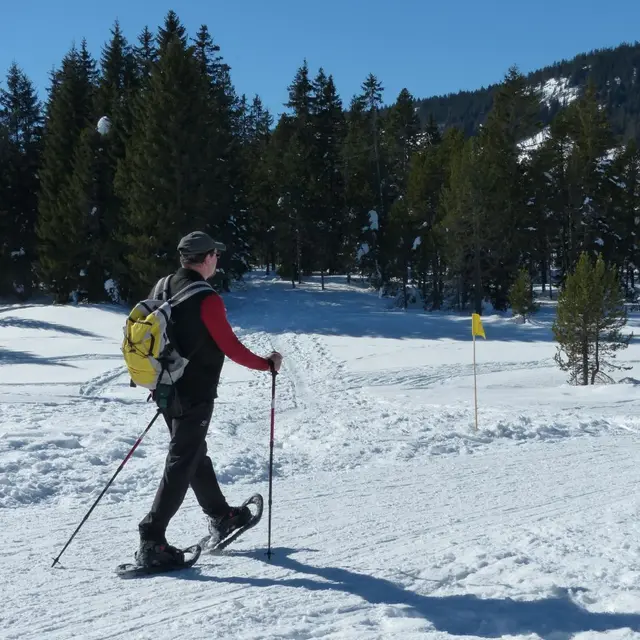
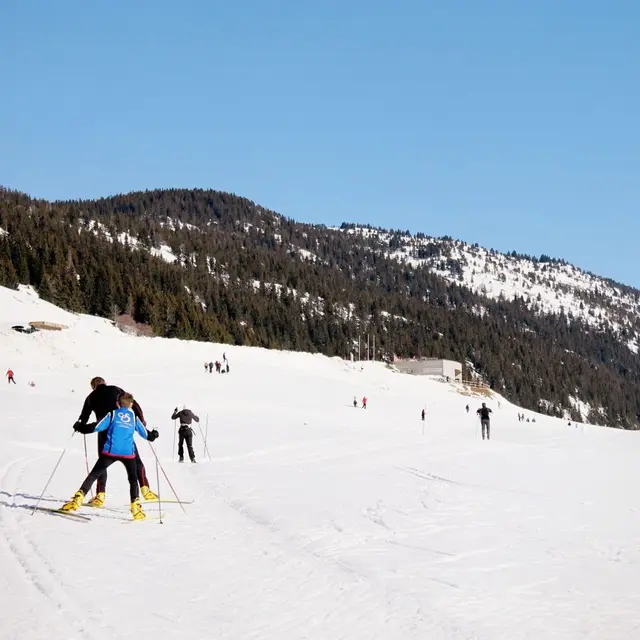
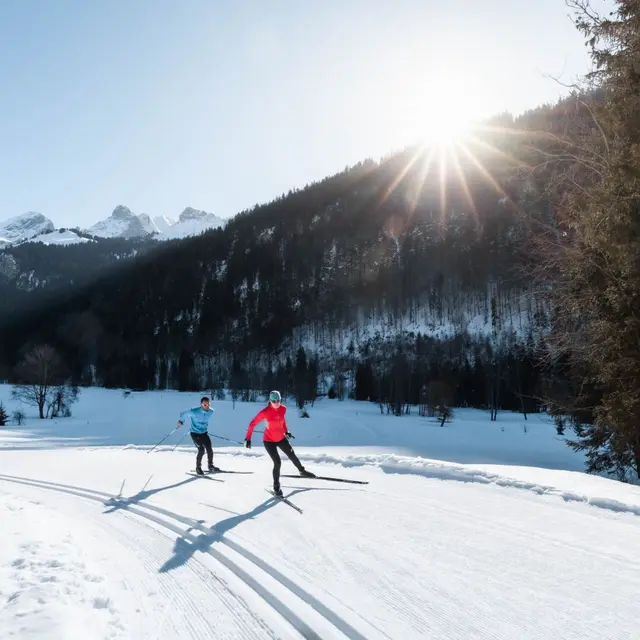
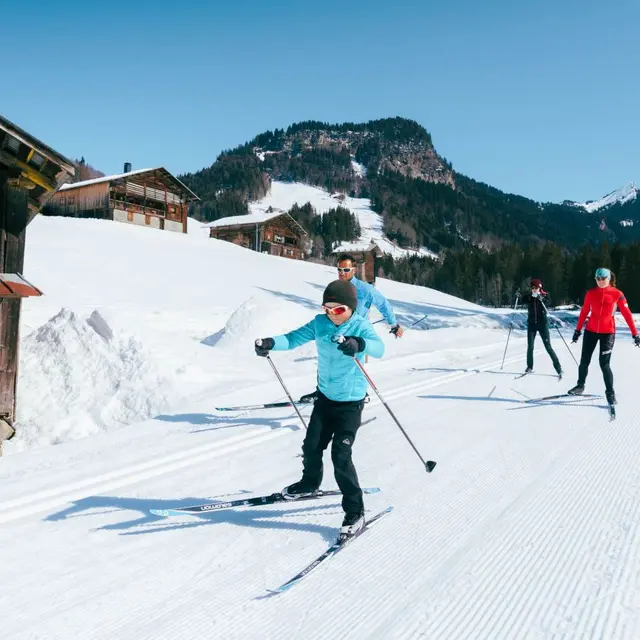
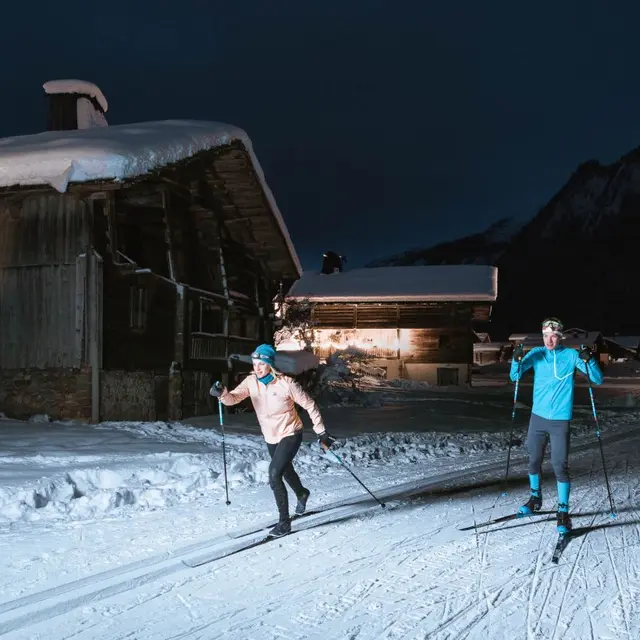
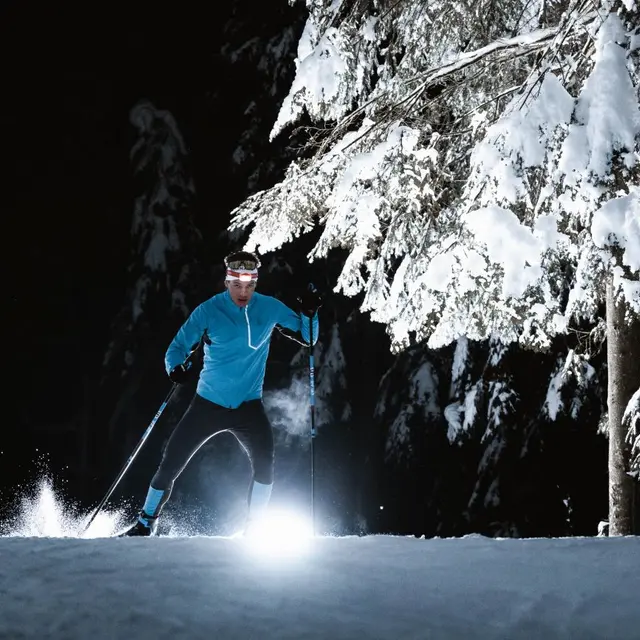
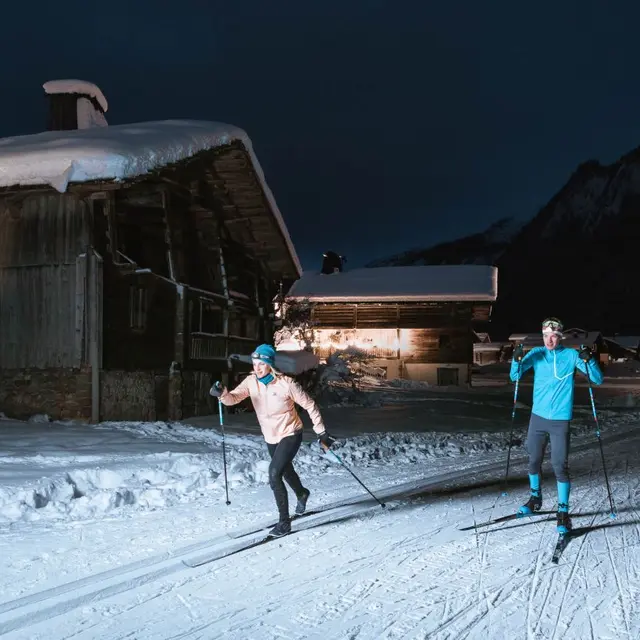
During winter, the Plateau des Glieres is the nordic site of Haute Savoie with 29 kilometers of cross country sky trail for all level as well as 17 kilometers of walking and snowshoeing trails. The perfect place to relax, enjoy snow and contemplate.
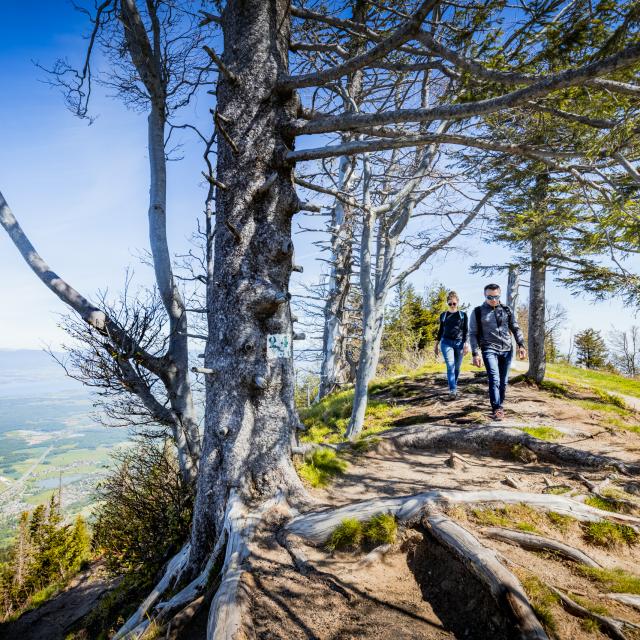
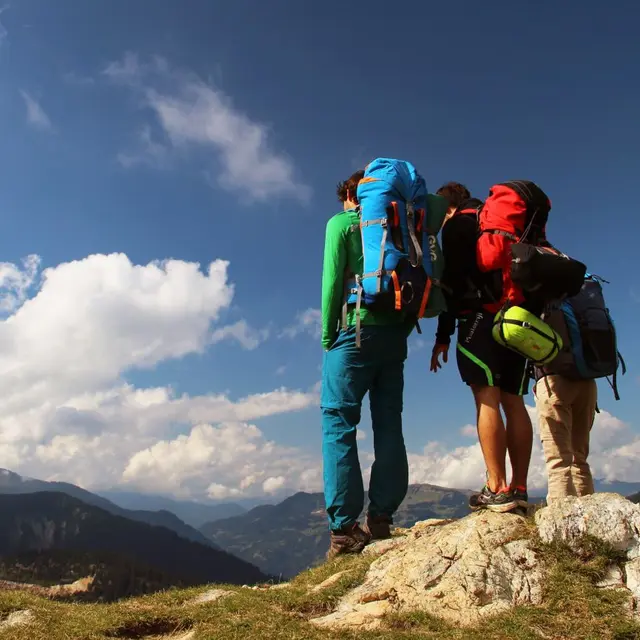
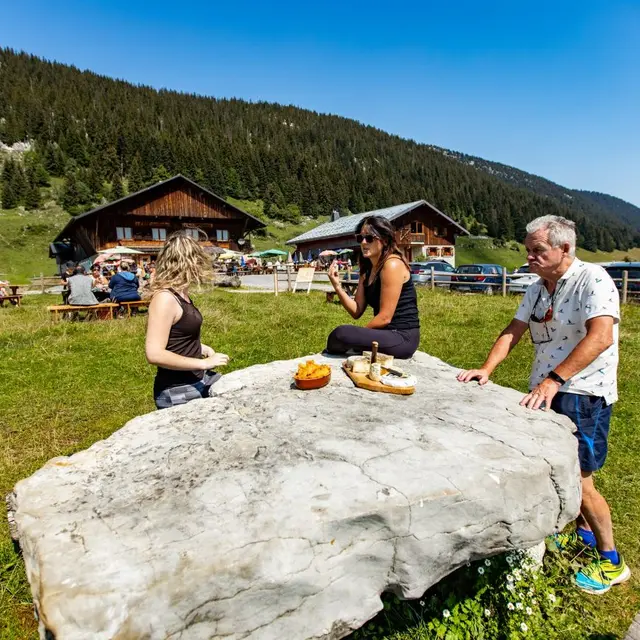
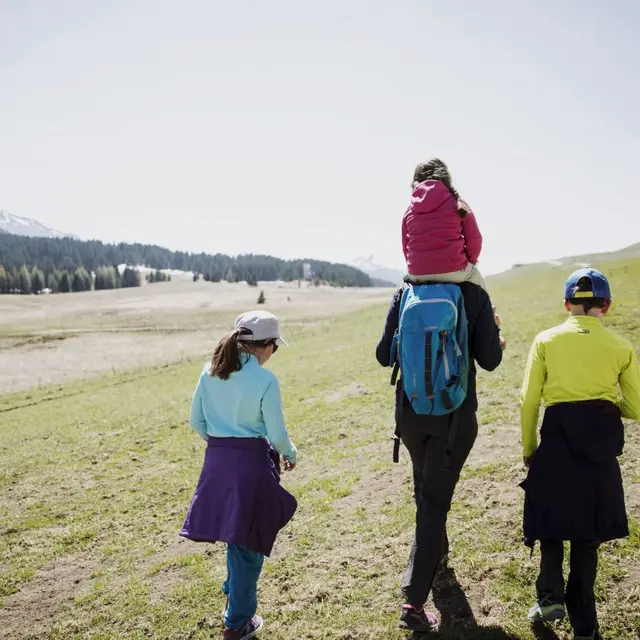
During summer, the Plateau des Glieres provides 8 hiking trails for all levels where you will appreciate a wide open and natural prairie and meet local people. If you want you will have the opportunity to buy local food (cheese) directly at the farm.
You want to discover a traditional meal ? Try the Batter-fried potatoes! You will find them in the different restaurant on the Plateau. There are also beds and breakfast and mountain shelters to welcome you.
3Le Grand-Bornand
Le Grand-Bornand





4Le col de la Colombière (Colombière pass)
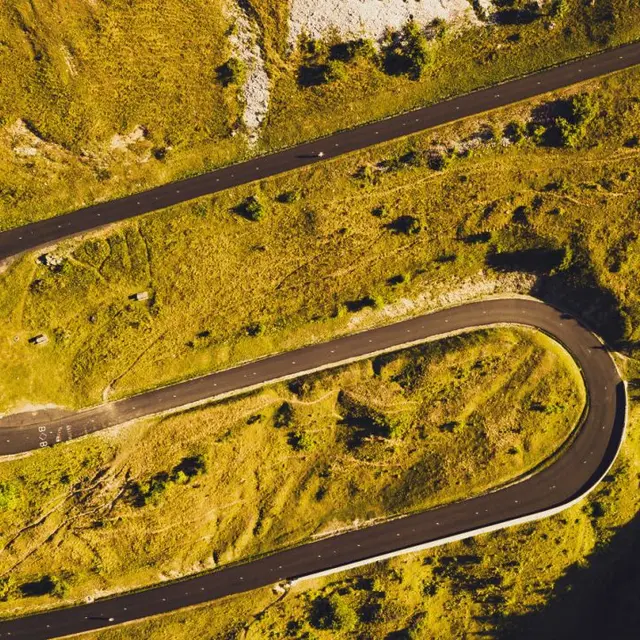
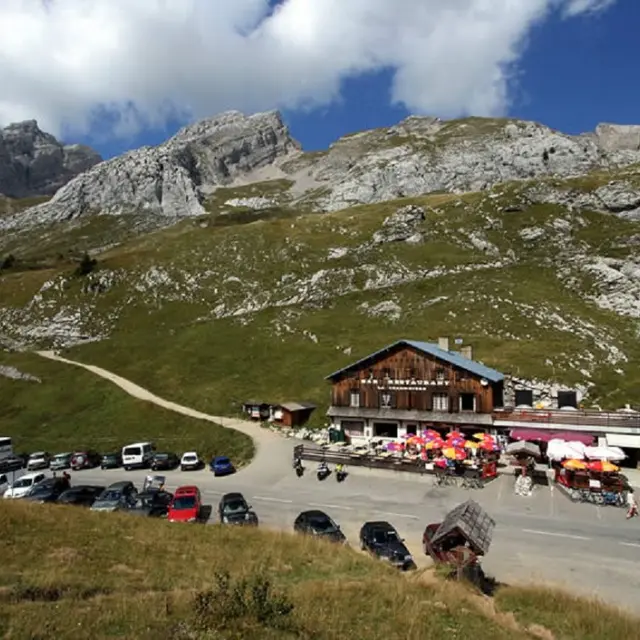
Located at 1618 m altitude, open from June to October, it connects Le Grand-Bornand in the Arve valley. Starting point for hikes, it is also a classic cycle route used many times by the Tour de France.
It is part of the Route des Grandes Alpes you must pause there for the panoramic view and maybe a glimpse of the ibex.

5The Chartreuse of Le Reposoir - The Carmelite Monastery
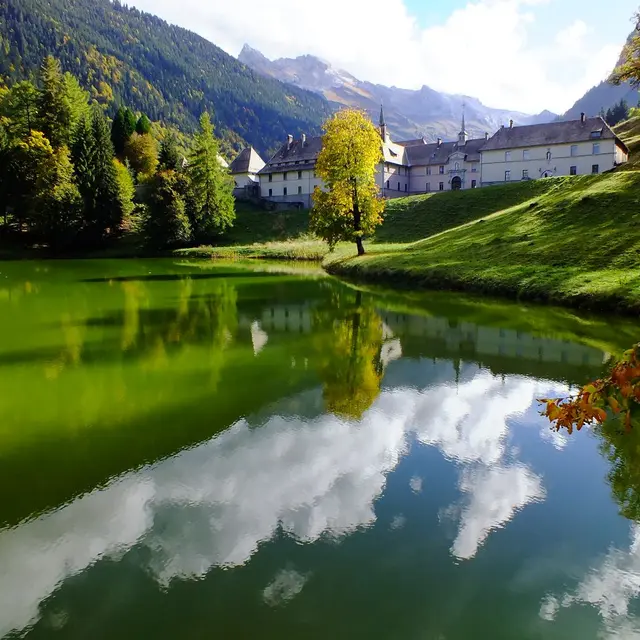
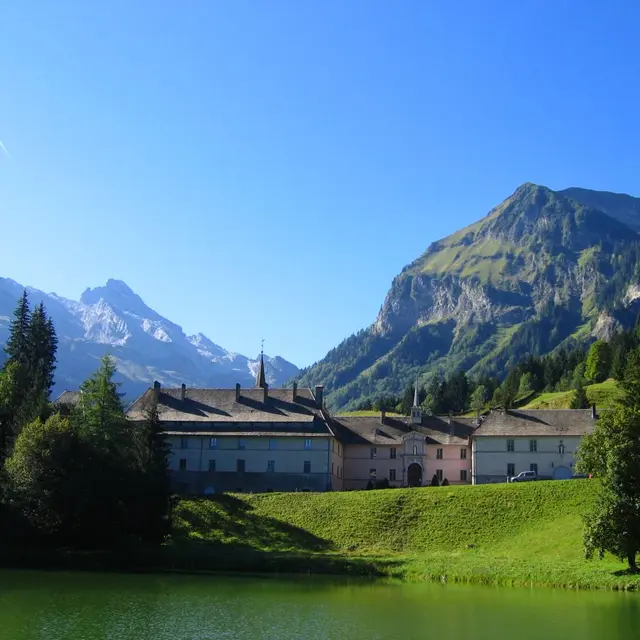
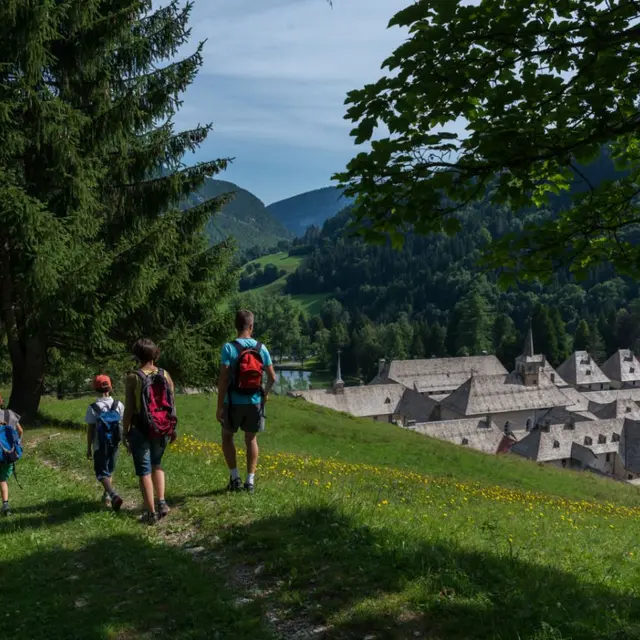
The former Carthusian monastery, now a Carmelite monastery, is designated a Historic Monument. Nestled in the shadow of Pointe Percée (2,752 m), it was founded in 1151 by Carthusian monks.
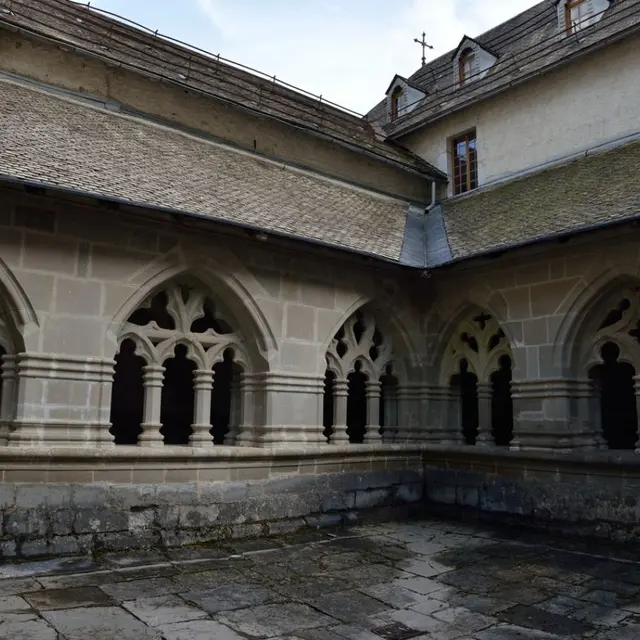
The buildings, restored in 1686 and 1717, house the monks’ former cells, the large and small cloisters in the Flamboyant Gothic style (open to the public only during Heritage Days), the harmonious chapel (1480–1530), and the common rooms. After centuries of clearing the land and organizing pastoral and agricultural life, the Carthusians left the site in 1901, making way for the Carmelites in 1932.
Inside, the sisters will show you a slideshow with commentary on their way of life. A scale model of the building is also on display.
Contact our heritage guide, Anne-France Binder, for a guided tour of the monument.
Be sure to visit the Chapel of Blessed John of Spain to learn more about the building’s founding.