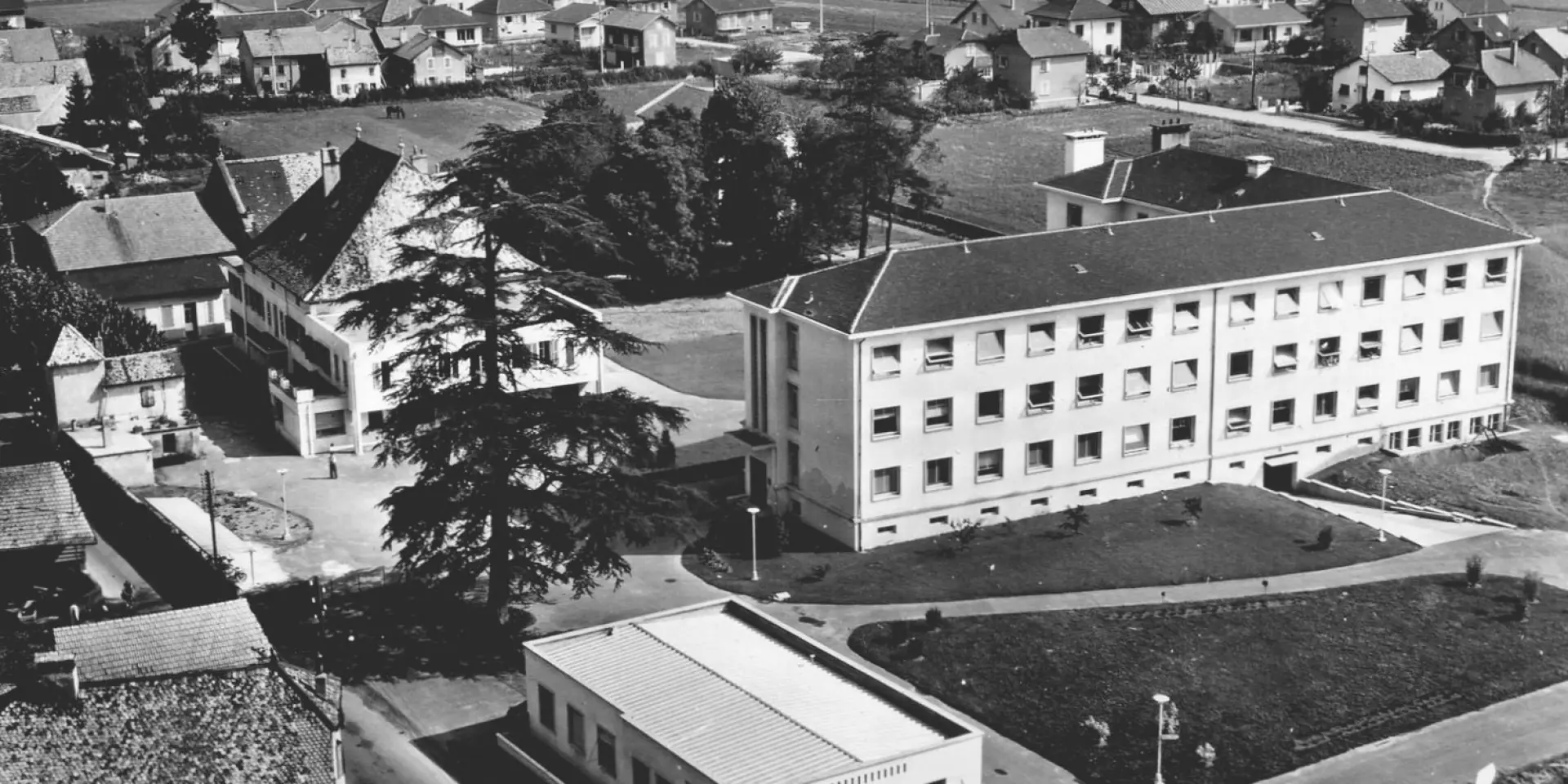
The first evidence of human presence in the Cruseilles sector dates back to the Iron Age (800 BC). As for the name of the village, this is thought to derive from Crusillia, a point where paths cross. Indeed, the pilgrims’ shell featuring in the town’s coat of arms with five stars above it symbolises the five roads that once led from Cruseilles to France, Savoy, Switzerland, Chablais and Faucigny.
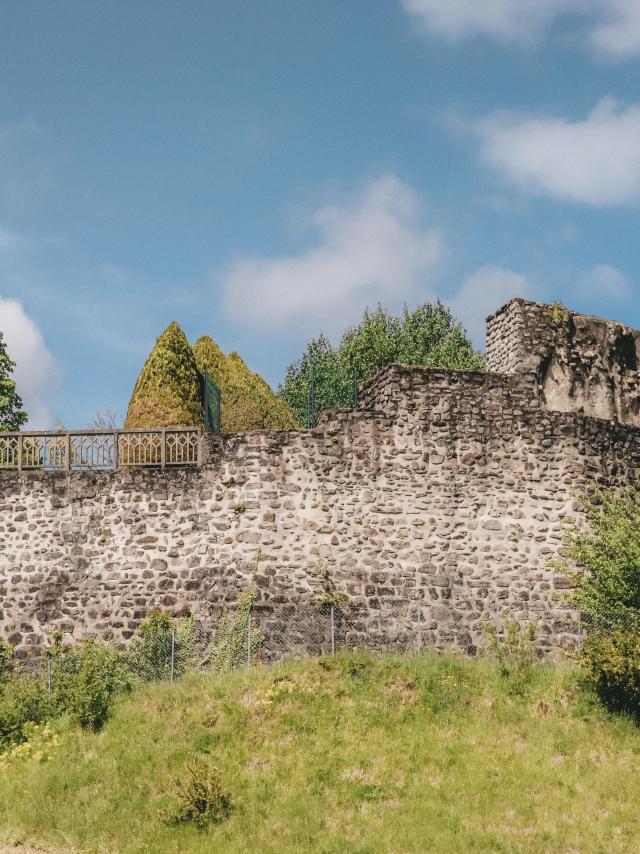
Traces of occupation by different peoples have also been identified here. These include Allobrogian remains, Roman coins, Burgundian graves and place names such as Les Goths, recalling a Germanic presence in the region. In the 5th century, the hamlet of Le Noiret featured an Early Medieval cemetery, and there is evidence of the presence in Cruseilles of a castrum (fortified site) and, later, a castle, during the 12th and 13th centuries. Linked to the Counts of Geneva, the town received its first charters in 1282, granting its inhabitants the status of free men.
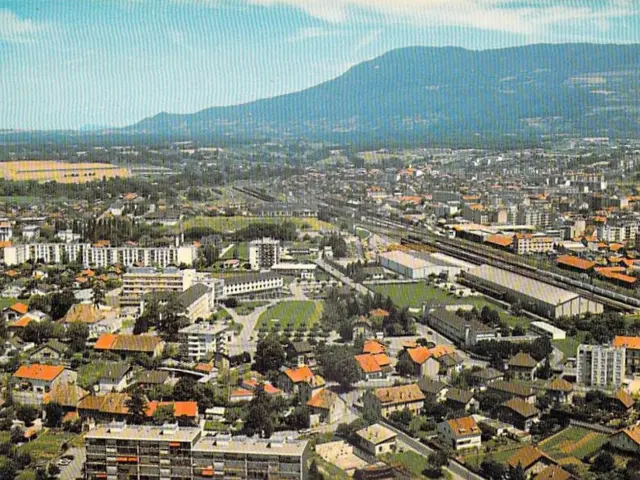
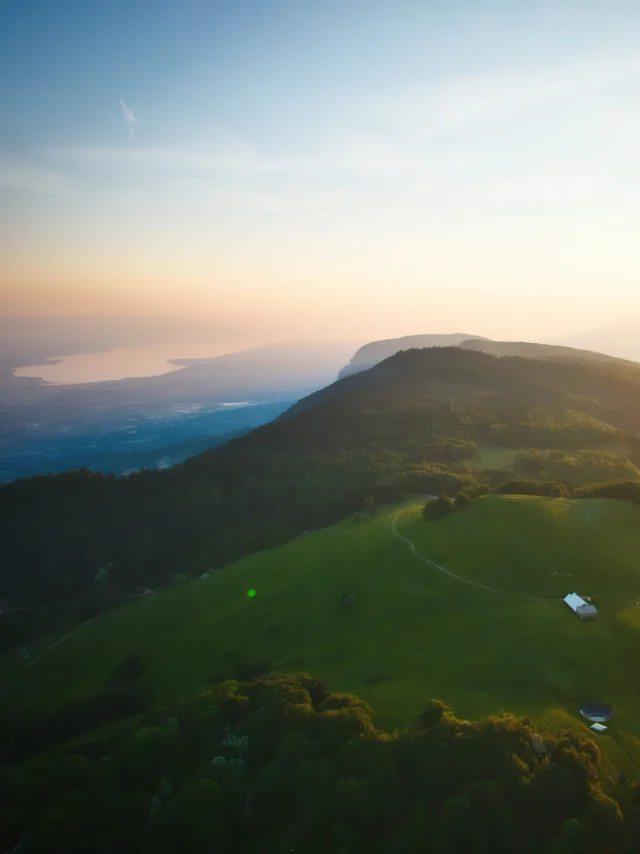
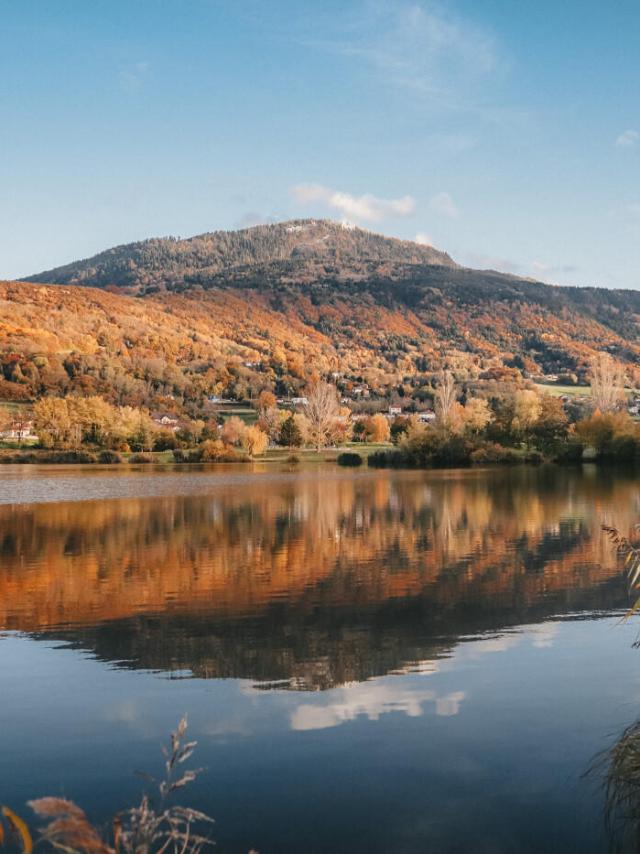
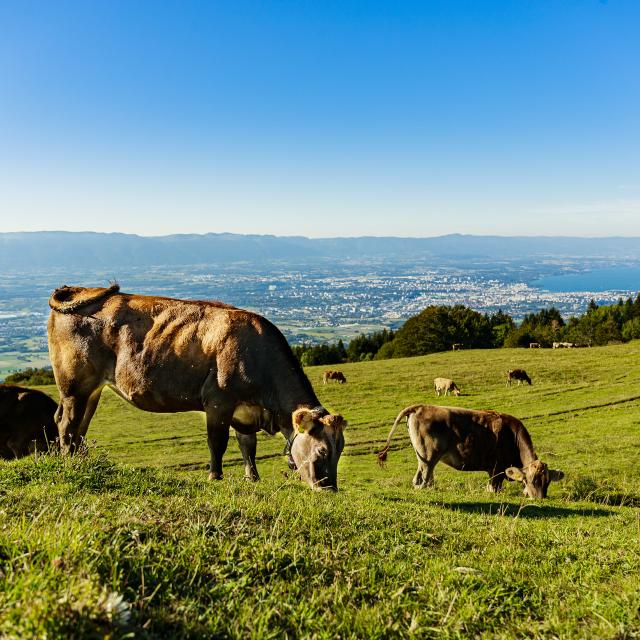
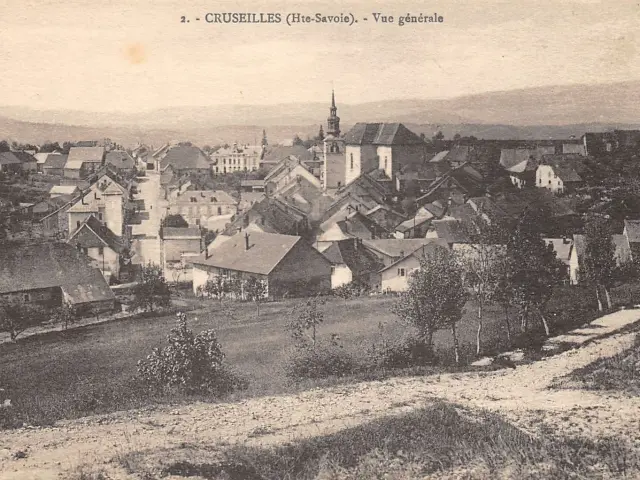 Cruseilles General view. Coll
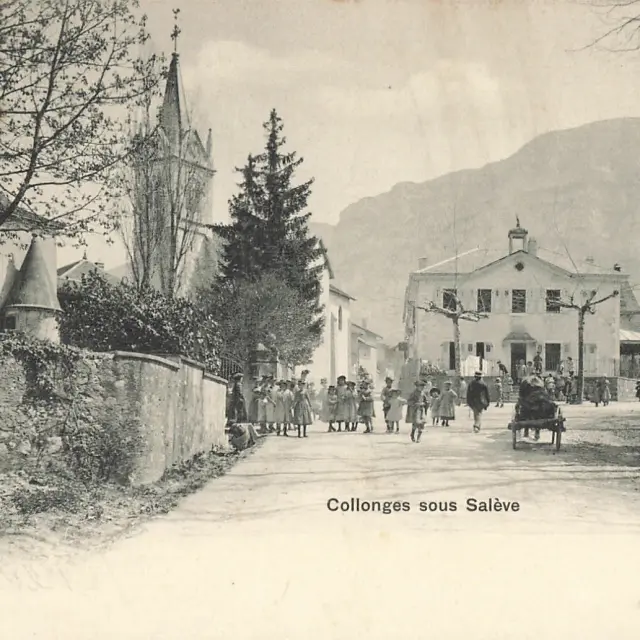
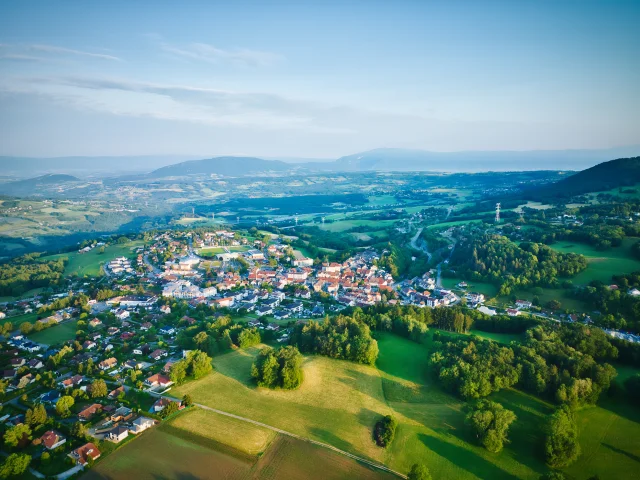 Village De Cruseilles Franleno Production 4502
In 1590, during the wars between Savoy and Geneva, Cruseilles was attacked and plundered by Genevan soldiers. The dynamic merchant town lost its appeal in the 16th century, when the Chambéry-Annecy-Geneva trade route was neglected to the benefit of another road linking the town of Calvin to Chambéry, via Rumilly. In 1839, the construction of the Caille bridge, officially opened by Charles Albert, King of Piedmont-Sardinia, breathed new life into the Annecy-Geneva route. At the same time, the thermal baths of La Caille, located on the banks of the Usses, were increasing in popularity.
In 1860, this essentially rural town was annexed to France. In 1907, Mary Wallace-Shillito, an extremely wealthy American, had the superb Château des Avenières built in the Salève mountains in Cruseilles. The town is also associated with the actor André Dussollier, who spent his entire childhood here, and Louis Armand (1905-1971), an engineer, member of the Resistance, director of SNCF, academician and senior civil servant who was nicknamed “the 20th-century Savoyard”.