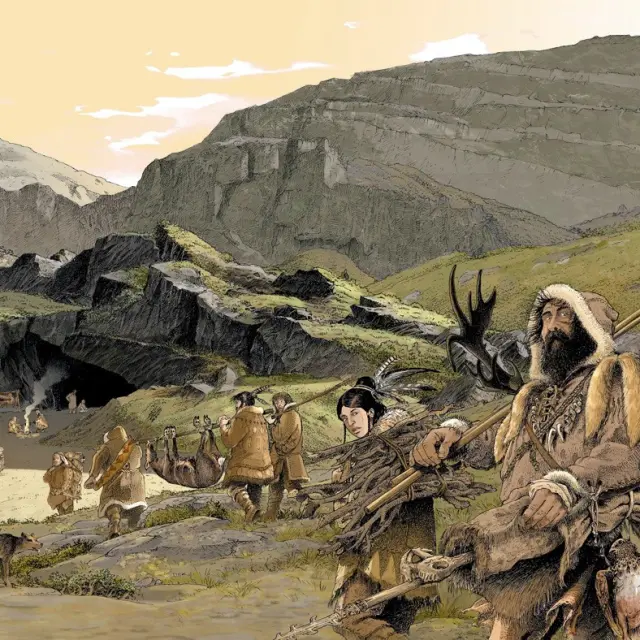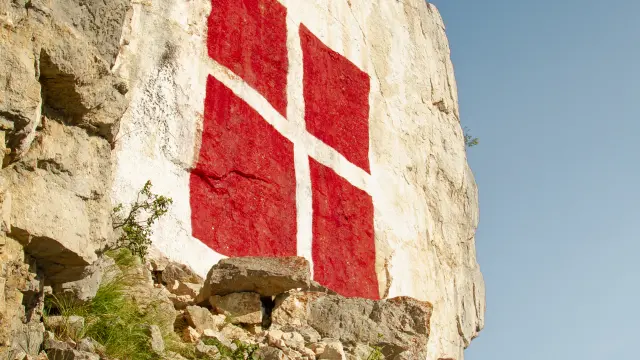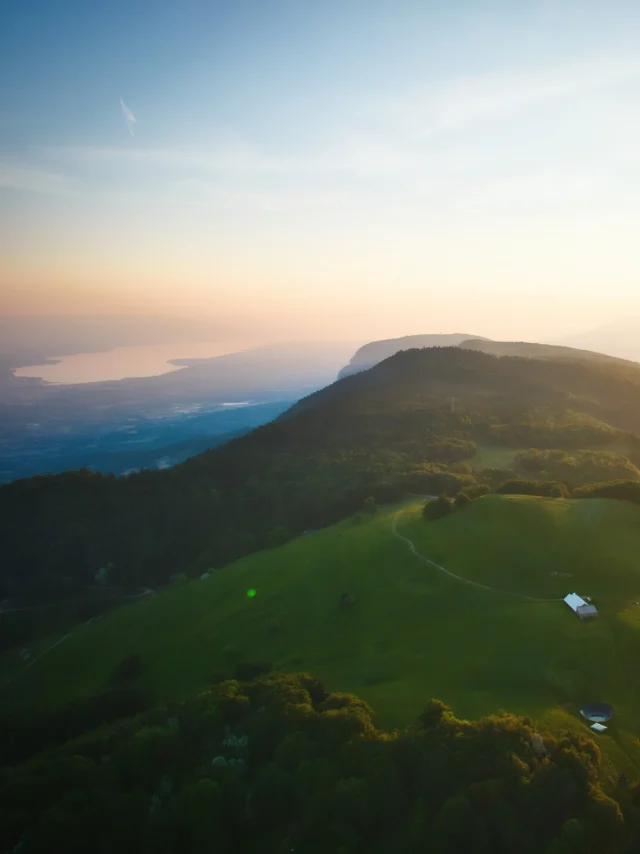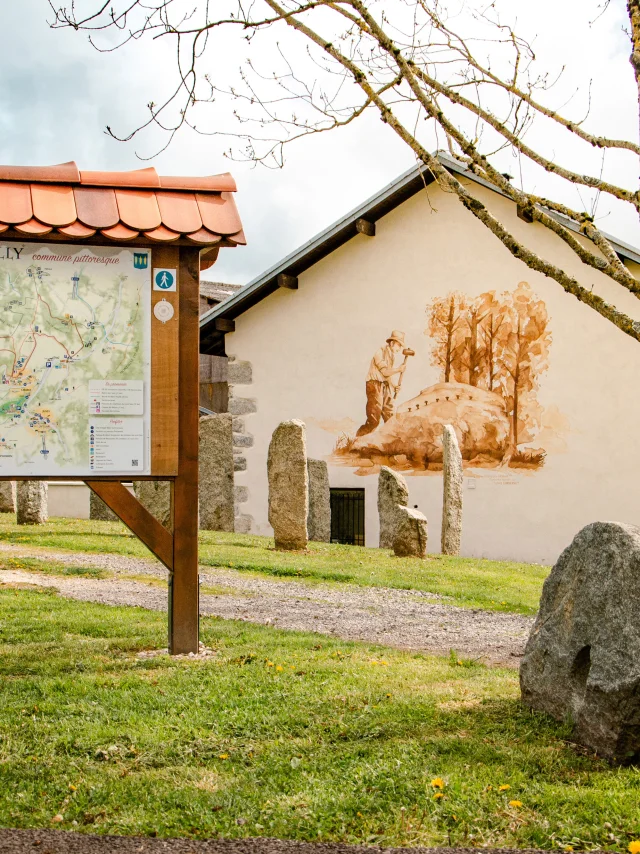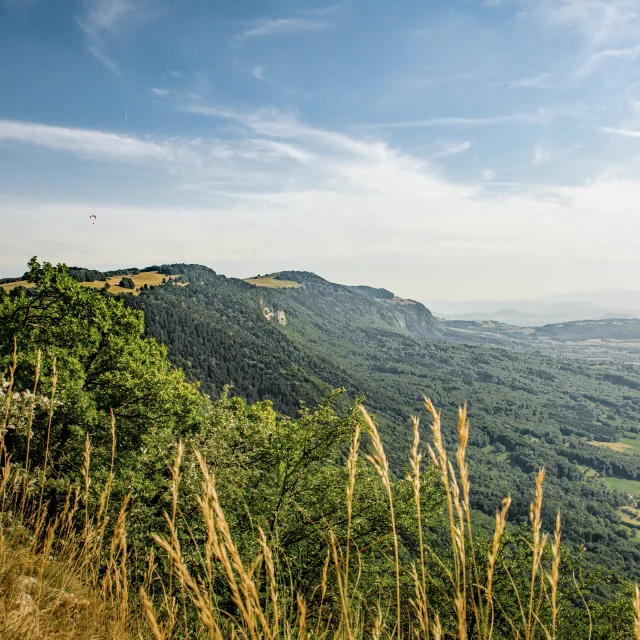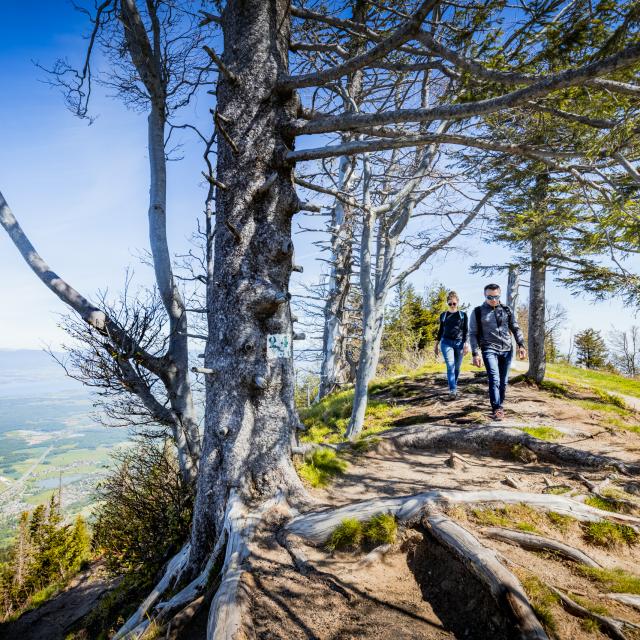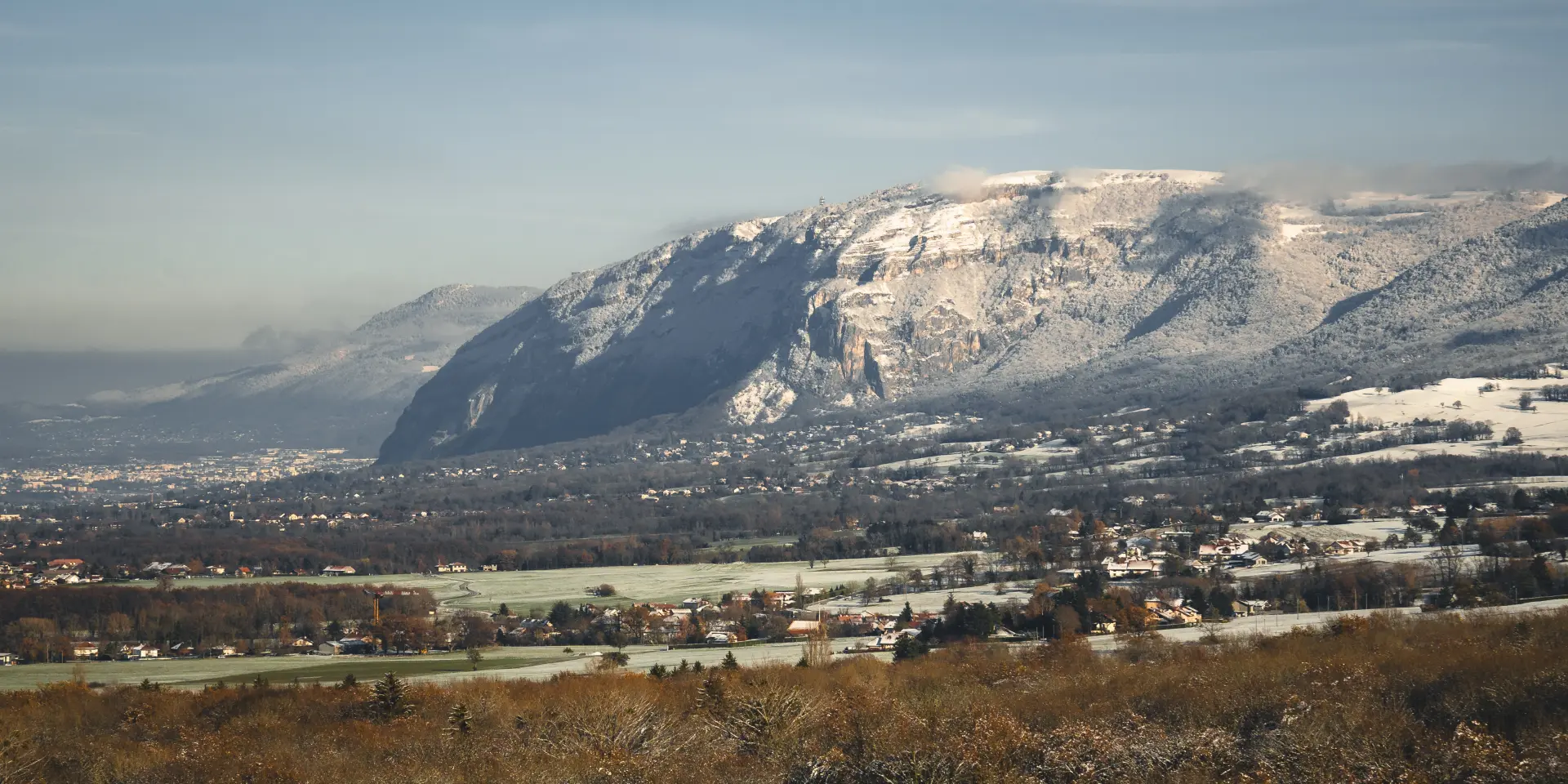
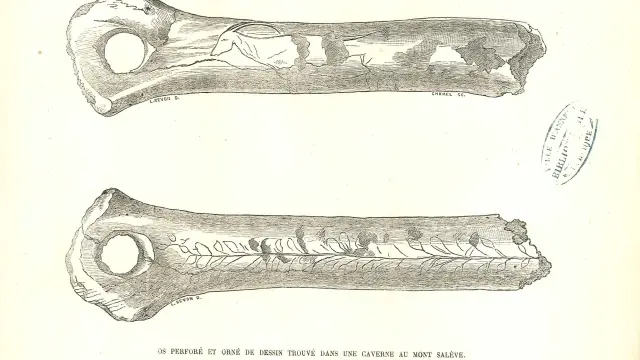
The Salève quarries, at Pas de l’Échelle (Étrembières), led to the discovery of a major prehistoric site. Opened in the 19th century, these quarries – which supplied stone for building projects in the city of Geneva – led to the discovery of a significant number of prehistoric remains. Studied by archaeologists from Geneva, these remains bear witness to the first inhabitants of the Genevois region – Homo sapiens – who, 15,500 years ago, discovered at this site at the foot of the massif a tangle of large limestone blocks beneath which lay vast empty spaces.
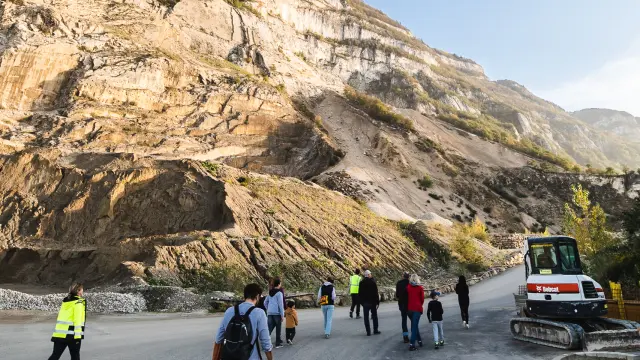
Edition 2022 de COM'les PROS - Visite Chavaz Père et Fils - Carrières du Salève
|
2
|
Well sheltered within these caves, these hunter-gatherers had access to the resources they needed for their daily lives in this area, which they occupied for 500 years. Between 1833 and 1880, archaeologists from Geneva unearthed thousands of objects that fall into three categories: flint tools, bones and worked bone artefacts. The Salève quarries, which made these fantastic discoveries possible, would also prove to be the undoing of this prehistoric site. In less than a century, the boulder field had been completely exhausted, leading to the total disappearance of this major archaeological site.