




1
2Geneva Flower Clock
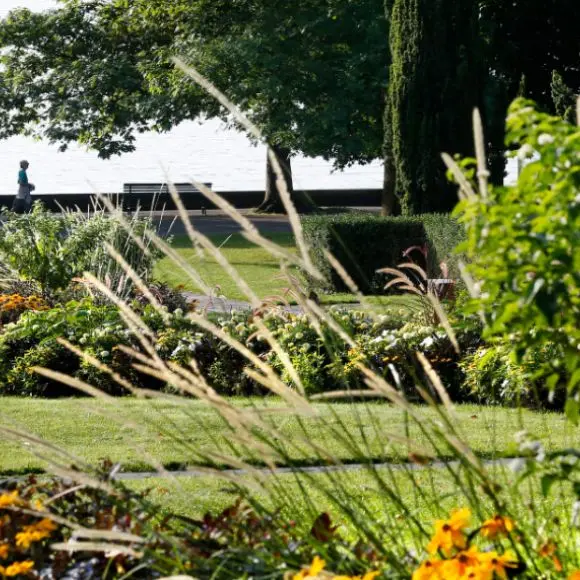
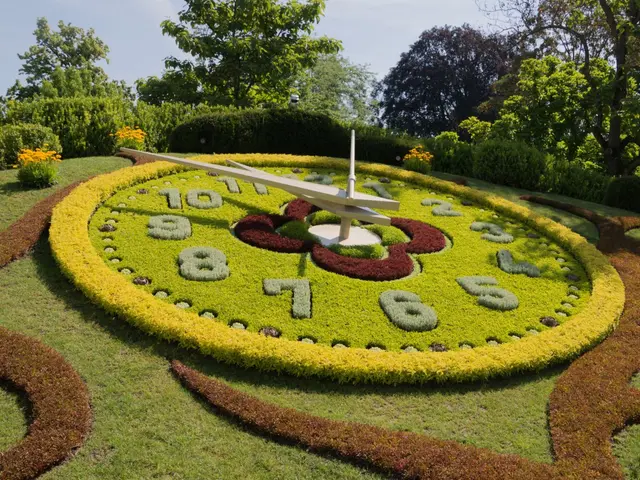
The most famous clock in Geneva is without doubt the flower clock in the English Garden!<br/>The flower clock is just as iconic as the water jet and is much photographed by tourists. It combines the perfection of clock-making and botanical skills. Created in 1955, this floral clock is still a renowned example throughout the world.
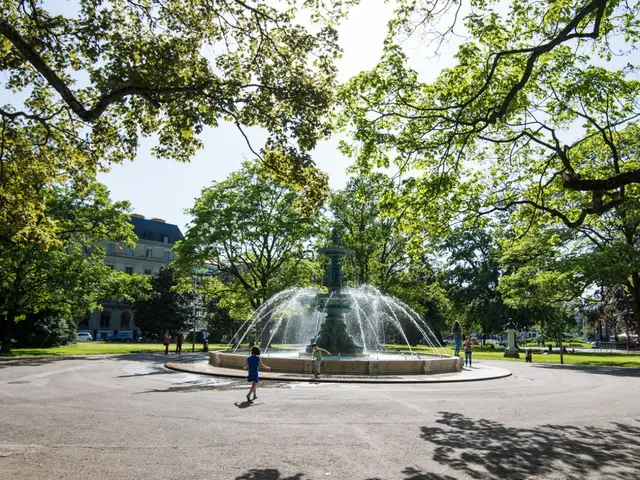
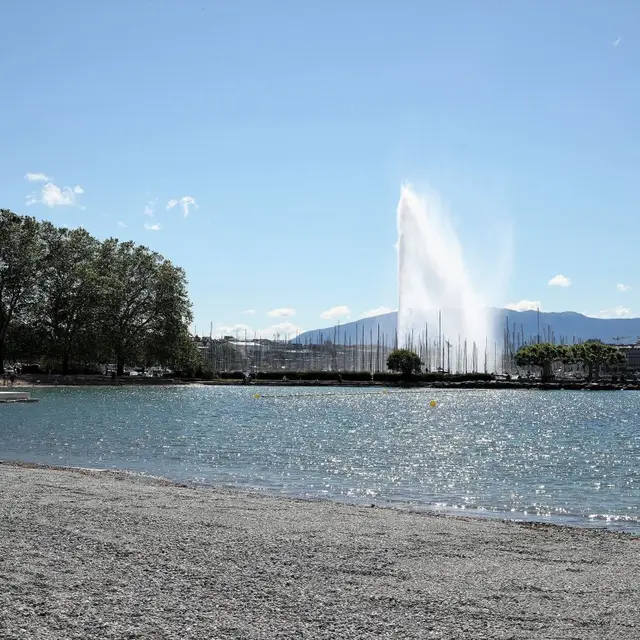
3The water jet in Geneva
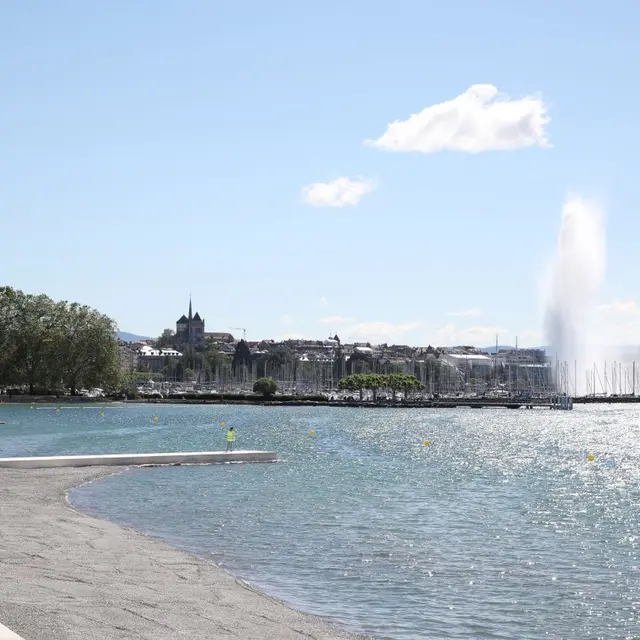
Built in 1891, the water jet in Geneva is one of the city's greatest tourist attractions. This icon encapsulates the ambition and vitality which have made the city famous - a city which now focuses on the environment and the future.

4
5Eaux-Vives beach
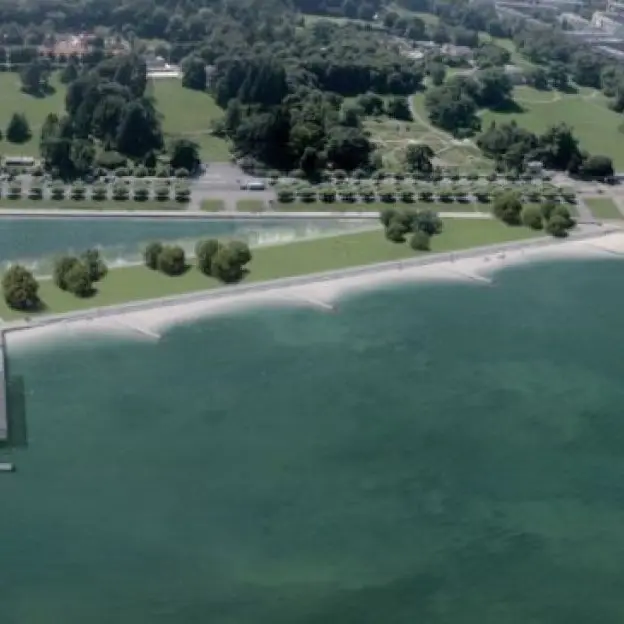
The new Eaux-Vives beach is the closest to Annemasse. Just 20 minutes by bike along the greenway. A huge beach to enjoy the sunshine and the lake throughout the summer right in the centre of town.<br/>Bathing in the city is a much-loved tradition for Swiss people and tourists alike, in summer and winter alike. So get your swimsuits ready! Geneva's new free beach, with its magnificent view of the Jet d'Eau, will be the perfect place to relax this summer. This long beach is made up of sand and small pebbles, for added comfort when the wind picks up. There's also a park where you can relax, take a nap or read a good book.
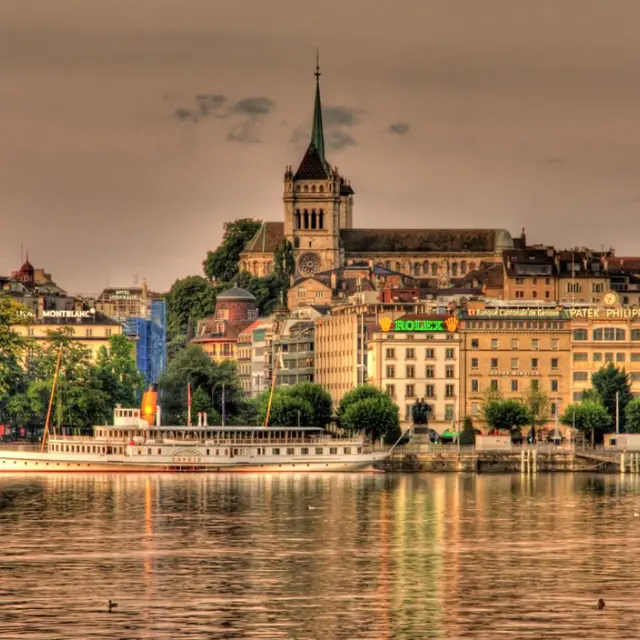
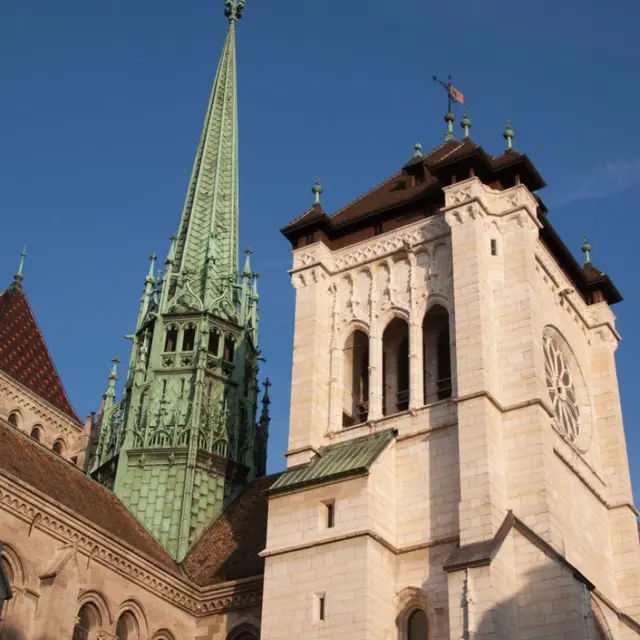
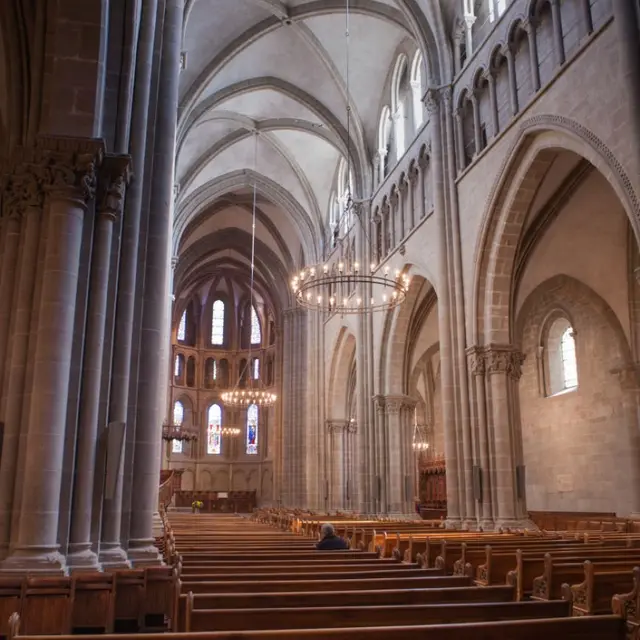
6Saint-Pierre de Genève Cathedral
This cathedral, dedicated to Saint Peter and an iconic symbol of Geneva (which it overlooks from the hill of Veille-Ville) also symbolises the influence of Protestant Rome.<br/>A cathedral and religious community has been on the site of Saint-Pierre since the 4th century AD. Up until the 11th century, just a single building stood on the site. However, in the 12th century the first prince-bishop of Geneva, Arducius de Faucigny, began the construction of the cathedral we can see today. The work took about a century - from 1150 to 1250.
7
8
9
10International Museum of the Reformation
The MIR (Musée international de la Réforme) presents the history of the Reformation, initiated by Martin Luther, Jean Calvin and others.<br/>Using objects, books, manuscripts, paintings and engravings, it traces the history of this movement, which began in Geneva in the 16th century and went on to become one of the great families of Christianity.
The Museum is the winner of the 2007 Council of Europe Museum Prize. This prestigious distinction has been awarded every year since 1977 to an institution making an outstanding contribution to knowledge of Europe's cultural heritage. The aim of the prize is to encourage a better understanding of the rich diversity of European culture. It is awarded by the Parliamentary Assembly's Committee on Culture, Science and Education on the basis of recommendations made by the European Museum Forum Committee.
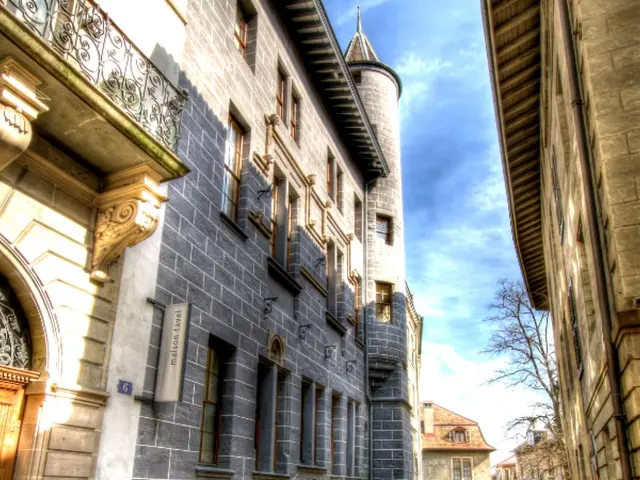
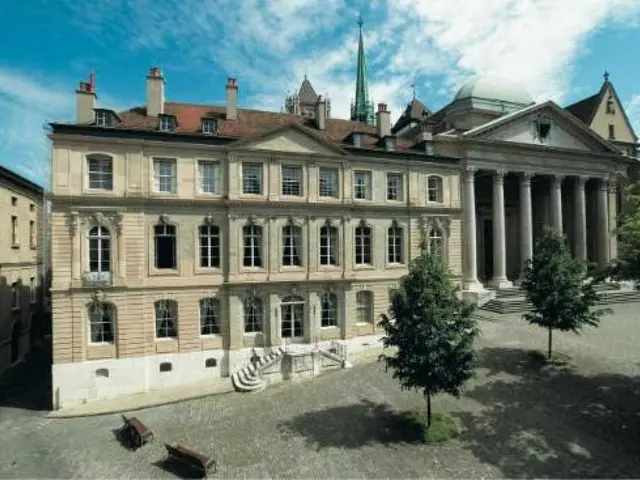
The Museum is located in the Cour Saint-Pierre, in the beautiful Maison Mallet built in the 18th century on the site of the Saint-Pierre cloister, where the Reformation was voted in Geneva in 1536.
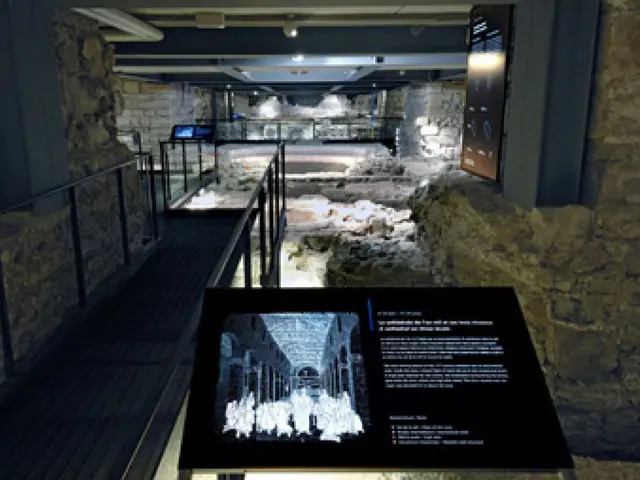
Together with the archaeological site, the cathedral and its towers, the Museum forms a unique cultural offering in Geneva: the Espace Saint-Pierre.
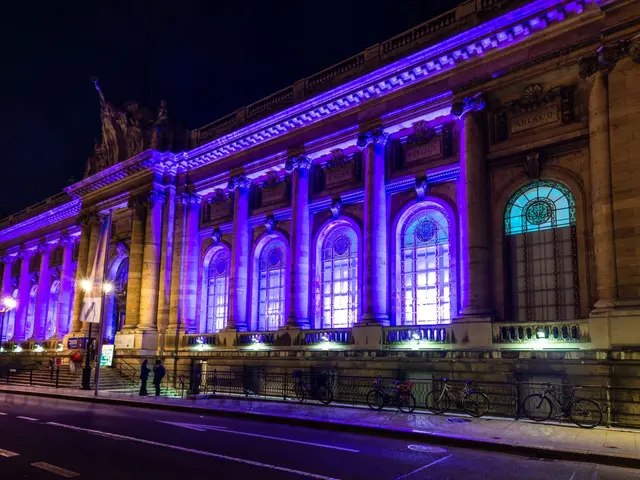
11The Museum of Art and History, Geneva
The Museum of Art and History is one of the largest museums in Switzerland.<br/>It houses around 650,000 objects, including key pieces and unique works. Some of its collection is exhibited over five floors and includes applied art, fine art and archeological objects. Each year, the museum also puts on a dozen or so temporary exhibitions, which have included subjects ranging from Picasso, to Roger Pfund and Akhenaton.
12The Natural History Museum - Temporarly Closed
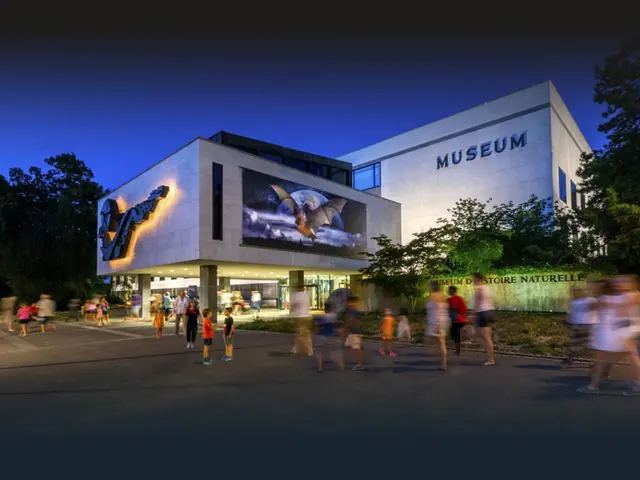
This museum is the largest natural history museum in Switzerland. Its collections, exhibited over four floors, showcase the fascinating world of animals and minerals.<br/>The Museum of Natural History, Geneva (MHNG) is a place for research, the conservation of natural and historic heritage and the dissemination of knowledge. The institution began at the end of the 18th century and has changed its location in Geneva many times, before finally taking possession of its current building located in the Parc de Malagnou. It is the largest natural history museum in Switzerland and is home to nearly a half of the country's collections. These scientific collections include the legacies of Genevan naturalists, such as Fatio, Forel, Jurine, Pictet and Saussure, as well as the collections of other great naturalists, such as Lamarck and Delessert from France. In total, there are nearly 15 million specimens, tens of thousands of which are of international importance. These are continually being enriched by fieldwork carried out by researchers working at the institution, who discover around fifty new species per year. The museum in Geneva has published the 'Swiss Review of Zoology' since its foundation in 1893 and the 'Review of Paleobiology', which was founded in 1982.
The Museum of Natural History, Geneva houses an important library of scientific literature (including zoology and earth sciences), as well as archive material. It was created in 1832 on the suggestion of François Jules Pictet de La Rive, and comprises thousands of precious works. Since the 1980s, it has housed the collection from the 'Nos Oiseaux' bird society, as well as an important collection dedicated to bats. The Museum of Natural History has a bat centre, which used to be managed by the bat specialist Villy Aellen. This is home to the Centre for Coordination in the West for the Study and Protection of Bats which organises events for the annual European Bat Night. Since 2006, the Museum of the History of Science, Geneva has been a subsidiary of the Natural History Museum.
13
14
15Geneva Museum of Ethnography
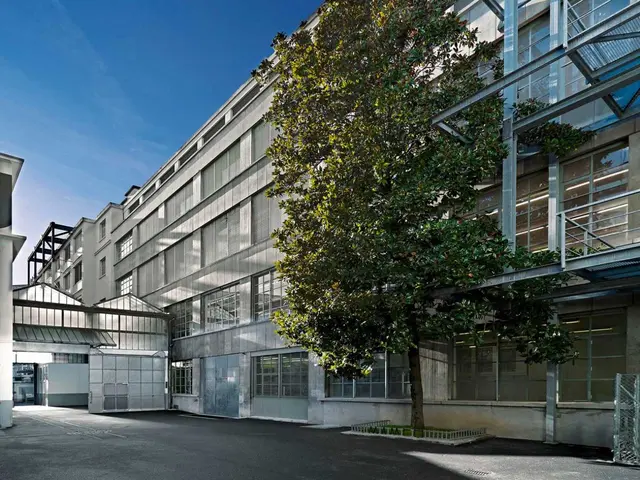
The latest of Switzerland's great museums, MEG houses one of the finest collections of ethnography in Switzerland. In its new setting, it is the promise of a new cultural scene in Geneva.<br/>Here you'll discover temporary exhibitions showcasing MEG's hidden treasures in magnificent immersive scenographies, and a permanent exhibition, "The Archives of Human Diversity". The latter showcases more than a thousand remarkable objects spanning several centuries of history and a hundred civilizations represented by more than a thousand remarkable objects. And beneath the majestic nave nestles the Marie Madeleine Lancoux Library, with its ever-growing collection of over 45,000 books and audiovisual documents dedicated to the cultures of the five continents.
16International Red Cross and Red Crescent Museum
Experience the humanitarian adventure!
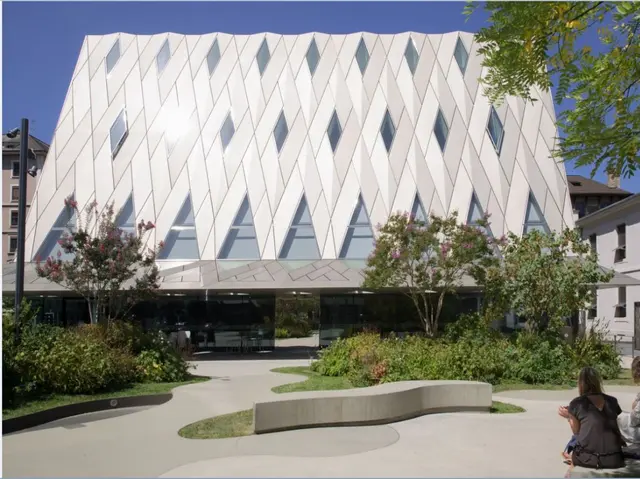
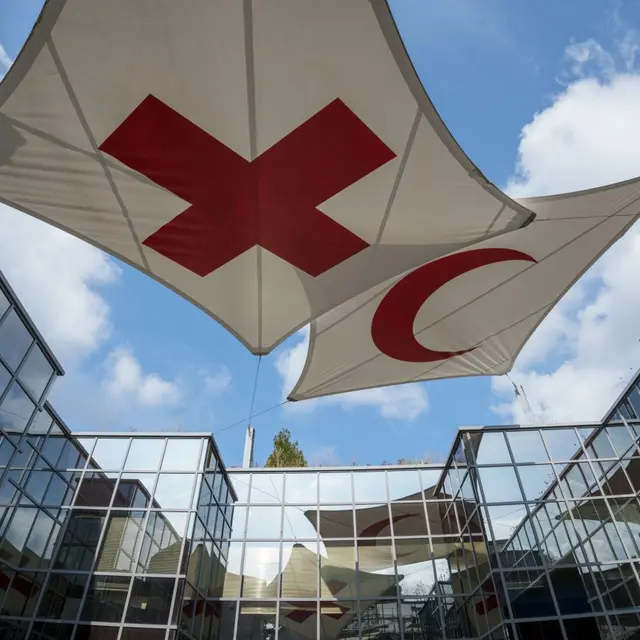
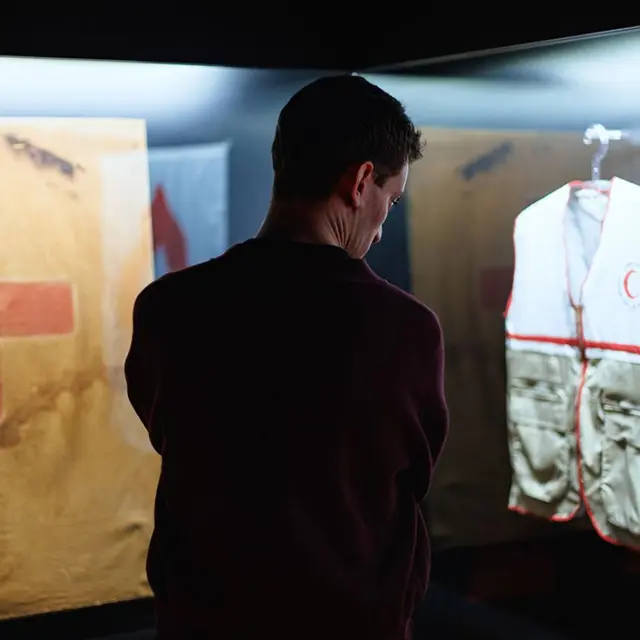
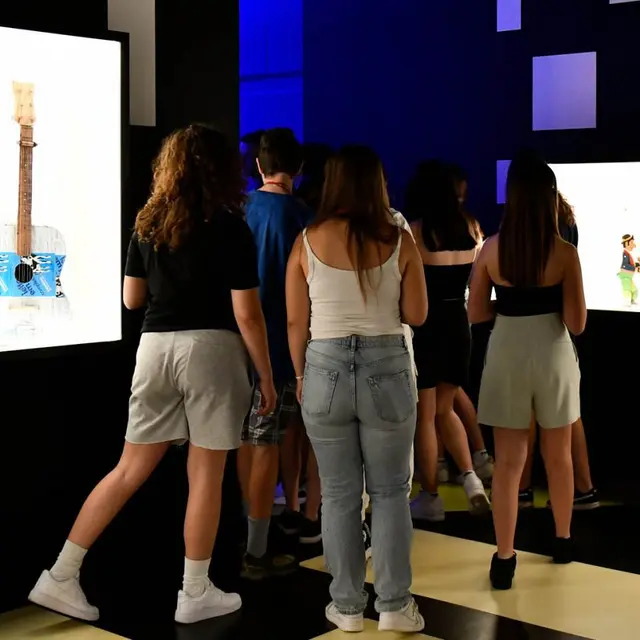
Closely linked to the name of Geneva, this museum presents the universal subject of humanitarian action. The permanent exhibition is organized into three thematic areas designed by architects from different cultural backgrounds!<br/>Defending human dignity (Gringo Cardia, Brazil), Reconstructing the family bond (Diébédo Francis Kéré, Burkina Faso), Refusing fatality where prevention is addressed (Shigeru Ban, Japan). They are coordinated by Atelier Oï (Switzerland), also creator of the common spaces.
In each theme, visitors first pass through an awareness phase, during which they have a strong emotional experience. This is followed by a second phase, providing information and historical background, reminding us that the Red Cross is the world's largest and oldest humanitarian organization.
Finally, in a room entitled "News Focus", the latest news from the field is presented around a large interactive globe.
17
18
19